Lazy keto sounds easy. That is why so many busy people try it.
No heavy tracking. No turning every meal into math. No pretending you have time for a full prep day every Sunday.
But this is where people mess it up: they hear simple and turn it into random.
If your version of lazy keto means coffee for breakfast, a handful of snack food for lunch, random bites while cooking, and takeout when the day gets ugly, the problem is not lazy keto. The problem is that you do not have a system.
This lazy keto guide is the parent page for that system. It shows what actually makes lazy keto work, where it usually breaks, and which next post to read based on your real-life weak point.
Why lazy keto works for some people and fails for others
Lazy keto works when it removes friction without removing structure.
You still need repeatable meals, a short list of default foods, backup options for bad days, and a plan for the moments that usually wreck your progress. The people who do well on lazy keto are not winging it. They just simplified the right things.
It fails when lazy becomes code for unplanned. Then breakfast is light, lunch is random, dinner gets decided when everyone is already tired, and the whole day turns into damage control.
Start here:
1. Lazy keto starts with default meals, not daily willpower
Most busy people do not fail because keto is too hard. They fail because they keep making too many food decisions while hungry, distracted, or low on patience.
If every day starts with, “What should I eat?” your plan is already weaker than it needs to be.
Default meals fix that faster than motivation ever will. You need a short list of breakfasts, lunches, and dinners you can repeat without getting decision fatigue. Eggs and sausage. Rotisserie chicken bowls. Burger patties with frozen vegetables. Taco meat over lettuce. Deli meat, cheese, and something crunchy that still feels like a real lunch instead of random snacks.
This matters because a pantry full of keto-friendly products is not the same thing as a usable system. A fridge full of ingredients can still leave you standing there at 6 PM acting like you have no options.
A common mistake is buying ingredients without buying meal combinations. Chicken, shredded cheese, low-carb tortillas, lettuce, burger patties, and frozen broccoli can become multiple fast meals. A shelf full of bars, nut mixes, and “healthy” packaged low-carb foods usually cannot.
If you need help building those defaults, start with lazy keto meal systems. Then pair that with lazy keto grocery systems so your shopping list actually supports those meals.
2. Lazy keto grocery planning matters more than people think
A lot of lazy keto problems start before you even get home.
You shop with good intentions, but the cart is built around random ideas instead of a week that makes sense. Maybe you buy protein that needs thawing, vegetables you forget to cook, and a few convenience foods that do not solve a real meal. Then the week gets busy and the only easy foods left are snack foods.
That is not a discipline problem. That is a grocery system problem.
What lazy keto grocery planning should really do is create fast combinations. Not ten different dinner fantasies. Just enough overlap to make the week easy. One cooked protein can become lunch bowls, salad plates, wraps, and emergency dinner. One backup freezer item can save the night you forgot everything else.
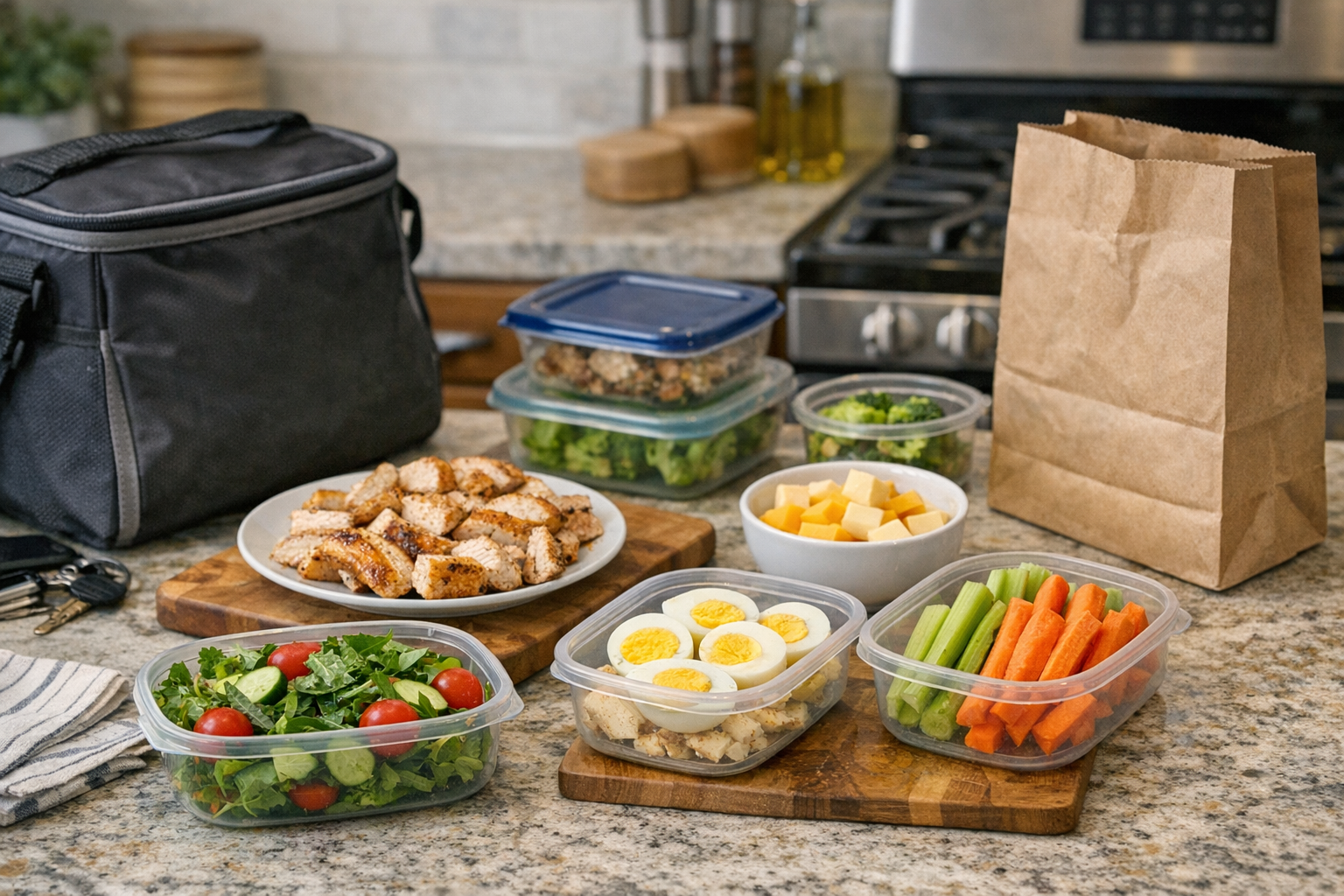
This is also where storage helps if your main problem is food going bad before you use it. A few simple meal prep containers make it easier to portion leftovers, keep chopped proteins ready, and turn “we have groceries” into “we have lunch.”
If shopping is where the wheels come off, go deeper with lazy keto grocery systems. If money pressure changes what ends up in your cart, jump ahead to budget keto troubleshooting.
3. Emergency dinners are what keep lazy keto from turning into snack plates and takeout
The real test of lazy keto is not the clean day. It is the ugly one.
You are late. Energy is low. Lunch was weak. Nothing is defrosted. Everyone is hungry. You are one small inconvenience away from turning dinner into cheese, nuts, jerky, and whatever else is easy to grab.
This is where most people get lazy keto completely backward. They think the plan failed because they were tired. No. The plan failed because it depended on energy you did not have.
Every lazy keto setup needs three emergency dinners that require almost no thought. That might be eggs and sausage, burger patties with frozen vegetables, rotisserie chicken bowls, taco meat from the freezer, or a deli-style plate big enough to count as dinner instead of pretending snacks are a meal.
The mistake here is waiting until the crisis starts. By then, hunger is already driving. You start grazing while cooking, and dinner becomes damage control instead of an actual meal.
If this is your biggest weak point, read lazy keto meal rescue. It is built for the nights when your original plan is gone and you still need dinner that works.
If family chaos is part of the problem, also read lazy keto with kids, family meals, and houseguests. That is where a lot of “lazy keto stopped working” stories really start.
If leftovers disappear or you keep wasting half-cooked food, a few sturdier freezer-friendly containers help turn tonight’s rescue dinner into tomorrow’s backup lunch instead of tomorrow’s takeout excuse.
4. Out-of-house backup food keeps one bad schedule from wrecking the whole day
Plenty of people think they are bad at lazy keto when they are really just underprepared for being away from home.
Lazy keto can feel easy in your kitchen. Then work, errands, long appointments, commute time, or a messy school pickup schedule shows up and lunch gets delayed. By 3 PM you are starving, irritated, and suddenly a gas station or vending machine looks like a reasonable plan.
This is why backup food matters more than motivation.
You do not need a perfect packed lunch every day. You need enough insurance to stop panic eating. That might mean leftovers, deli roll-ups, a protein-forward bowl, or a backup stash you keep in your bag or desk for the days when meals get delayed.
What people usually get wrong is packing snack food and calling it lunch. A few bites of jerky, nuts, cheese crisps, or a bar can help in a pinch, but that setup often leaves you hungry again an hour later. Backup food should buy you time or support a meal. It should not quietly become your whole strategy.
If this is your recurring failure point, read lazy keto backup plan. If workdays are the main problem, go to lazy keto meal prep that survives real life for a more practical version of prep that busy people actually keep doing.
A simple insulated lunch bag can help if packed food getting gross is what keeps killing the habit.
5. Budget gaps break lazy keto when cheap convenience starts replacing real meals
Money stress changes food choices fast.
This is why a lazy keto plan that looks fine during a normal week can start falling apart right before payday, after a big grocery run gets skipped, or during a stretch where every cheap option seems to be snack food.
People tell themselves they are “still doing lazy keto” because the food is low carb. But low carb is not enough if the cheaper option leaves you hungry, nibbling all night, or buying extra convenience food later.
Real-life example: you skip buying enough real protein to save money, then try to patch the week with cheese, peanuts, low-carb tortillas, and little convenience items. It feels cheaper in the moment. Then hunger creeps up, dinner feels weak, and you end up doing a takeout order that wipes out the savings anyway.
The fix is not fancy budget meal prep. It is having cheap default meals that still work: eggs, ground beef, burger patties, chicken thighs, tuna, frozen vegetables, shredded cheese used with protein instead of instead of protein, and leftovers that actually get eaten.
If money pressure is where your plan gets shaky, read budget keto troubleshooting. It is the next step when lazy keto keeps drifting into cheap convenience-food traps.
What most people get wrong about lazy keto
Here is the truth. People think lazy keto means fewer rules, when what it really needs is fewer weak points.
They shop for products instead of meals.
They skip planning until they are already hungry.
They lean on snacks and call it flexibility.
They treat packaged convenience food like a full strategy.
They assume they will “be good” at work, in the car, on weekends, and during budget crunches without building anything for those moments.
That version of lazy keto feels easy for about three days. Then hunger, cravings, sloppy portions, random eating, and last-minute takeout start stacking up.
Real lazy keto is simpler than strict keto, but it is not built on hope. It is built on defaults, backups, and repeatable meals that survive normal chaos.
FAQ: Can lazy keto still work if you are very busy?
Yes, but only if busy does not mean unplanned.
Busy people usually need fewer food decisions, not more. That means default breakfasts, repeatable lunches, emergency dinners, and backup food for the days that go sideways. If you keep trying to just make good choices in the moment, busy life will keep beating your plan.
Fix this first:
- Pick 3 breakfasts, 3 lunches, and 3 dinners you can repeat without much thinking.
- Build your next grocery trip around those meals instead of around random keto products.
- Choose 2 emergency dinners for home and 2 backup foods for out-of-house days.
- If budget is a pressure point, fix that next before convenience food starts running the week.
- Read the one guide above that matches your biggest weak spot and tighten that first.
If this helped, read these next:
- Dinner keeps falling apart? Fix the rescue system first.
- Groceries keep turning into random ingredients instead of meals? Start here.
- Family chaos making lazy keto feel messy? Read this next.
Explore more Lazy Keto stories here:
View all Lazy Keto stories