You can eat vegetables on keto. The problem is that keto vegetables are not all the same.
Some are easy to fit. Some look harmless until the portion gets normal. And some stop being “healthy sides” and start becoming a real carb problem fast.
If keto feels confusing here, you are not imagining it. One person says “eat all the veggies you want.” Another acts like carrots are basically candy. Neither answer is useful when you are just trying to make dinner without blowing your carbs.
If you have ever stood in your kitchen staring at a tray of roasted vegetables and wondered whether dinner just got weirdly high carb, yeah, that is the exact problem.
I’ve seen this go wrong the same way over and over: someone makes a meal that looks clean, low-carb, and responsible, then quietly adds enough onions, tomatoes, roasted carrots, sauce, or casserole extras to change the math.
Here’s the truth: vegetables on keto work best when you stop treating them as one category. You need to know which ones are easy, which ones add up fast, and where people miscount them.
What makes keto vegetables confusing in real life?
Vegetables get grouped together like they all behave the same way. They do not.
Leafy greens, cucumbers, zucchini, mushrooms, broccoli, peppers, onions, tomatoes, carrots, corn, peas, and potatoes all land under “vegetables,” but they do very different things to your daily carb total.
That is why people get tripped up. They hear “vegetables are healthy,” so they stop paying attention to the details.
On keto, the details matter:
- the type of vegetable
- the portion size
- whether it is raw or cooked
- what gets added to it
- whether it is part of a full meal or just a big pile of “healthy” carbs
If you want the simple version, think about vegetables in three groups: easiest to fit, easy to miscount, and basically carb traps in keto-sized days.
Keto vegetables that are easiest to fit
This is the safest lane for most people. These vegetables usually give you the most volume for the least carb damage.
That does not mean “free food.” It means they are harder to mess up unless you turn them into giant bowls, casseroles, or sauce-heavy sides.
1. Leafy greens and watery vegetables usually work best
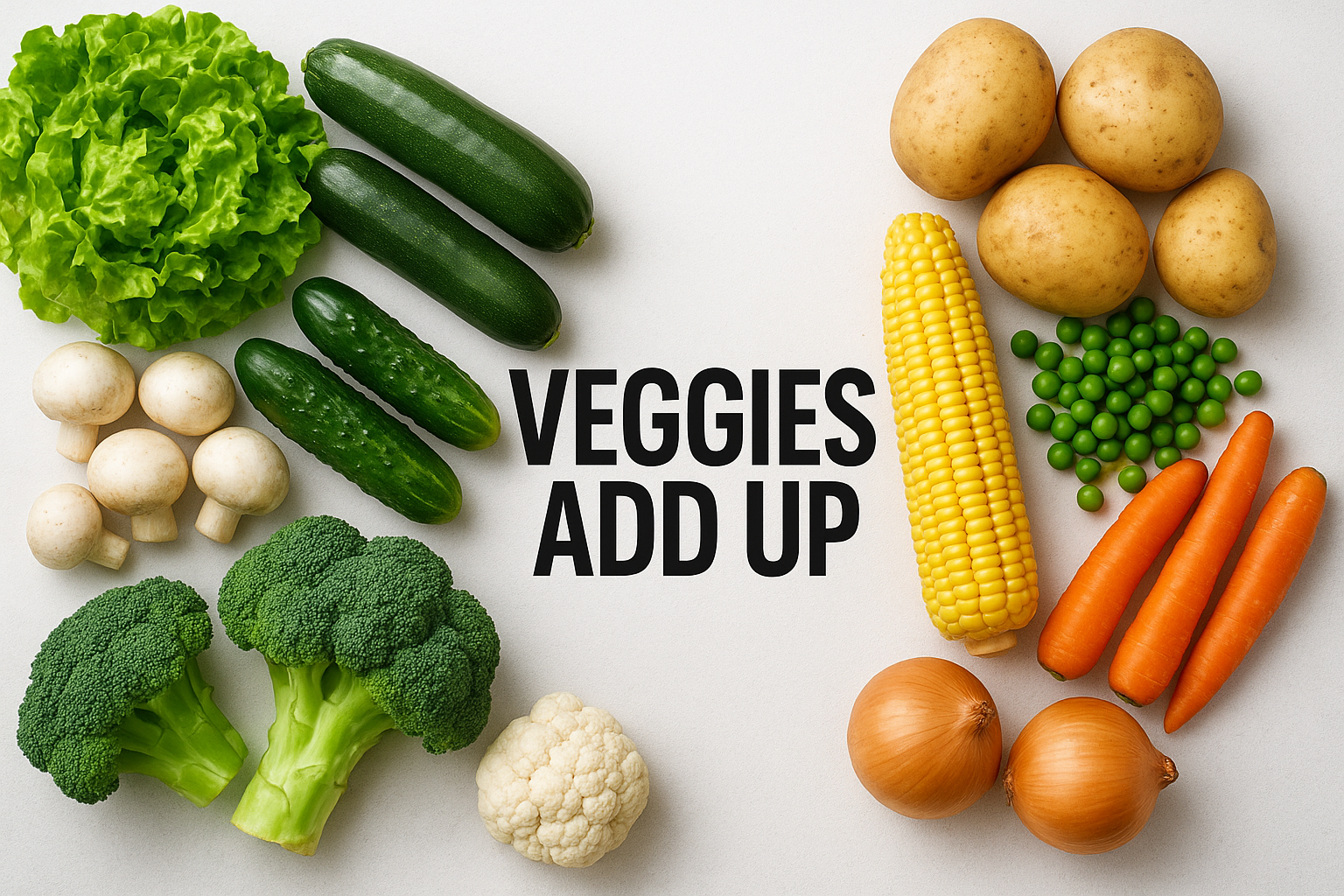
The easiest keto vegetables to fit are things like lettuce, spinach, arugula, cucumbers, celery, zucchini, mushrooms, and cauliflower.
Why these work: they are lower in carbs for the amount most people actually eat. A salad base, sauteed mushrooms, roasted zucchini, or cauliflower rice usually fits a keto meal without much drama.
What this looks like in real life: grilled chicken with salad, burgers over lettuce, eggs with spinach and mushrooms, salmon with roasted zucchini, or taco bowls over shredded lettuce. These meals usually stay manageable because the vegetables support the meal instead of becoming the meal’s carb centerpiece.
Where people still mess up is not the vegetable itself. It is the extras. A salad can start with greens and end with sweet dressing, dried cranberries, candied nuts, and too many tomatoes. Cauliflower can start low carb and end buried under breading, thick sauce, or a creamy casserole that turns into a huge portion.
The fix is simple: keep the vegetable plain first. Then watch what gets poured, mixed, or layered onto it.
Some solid easier-fit choices include:
- lettuce and salad greens
- spinach
- arugula
- cucumber
- celery
- zucchini
- mushrooms
- cauliflower
- broccoli
- asparagus
- green beans in reasonable portions
If you struggle with portions in general, a digital food scale can help fast. Not because you need to weigh lettuce forever, but because most people are terrible at guessing what a “small amount” of denser vegetables actually looks like.
2. Broccoli, peppers, and green beans are where “fine” can turn into “watch it”
This next group still works on keto, but the portion matters more. Think broccoli, bell peppers, Brussels sprouts, cabbage, onions in small amounts, tomatoes, and green beans.
These are not bad foods. They just add up faster than leafy greens and watery vegetables.
Here is where people get sloppy: they stop measuring because the food feels healthy. Then a stir-fry becomes mostly peppers and onions. A roasted pan becomes half carrots and onions. A taco bowl gets tomatoes, salsa, grilled peppers, onion, and more sauce than expected.
None of that sounds wild. But together? It changes the carb total fast.
If you already have trouble with hidden carbs, this is the same pattern behind Why Keto Looks Fine on Paper but Still Fails in Real Life. The food is not always “junk.” Sometimes it is just more carb-dense than people assume.
Keto vegetables that look fine until portions get normal-sized
This is where most people miscount vegetables on keto.
The issue is not a tiny serving. The issue is that almost nobody eats the tiny serving they imagine in their head.
3. Onions, tomatoes, carrots, and mixed vegetables can quietly take over the plate
Onions are a flavor vegetable, not a free vegetable. Tomatoes are useful, but not something to ignore if you are eating a lot of them. Carrots can fit in small amounts, but they stop being a throw-in once the side dish gets generous.
Mixed vegetables are another trap because they hide the denser stuff inside “a healthy blend.” That frozen bag may include carrots, peas, and corn along with the broccoli or green beans you actually wanted.
Real-life example: someone makes scrambled eggs with onion and peppers for breakfast, has a salad with tomatoes at lunch, then eats a roast with carrots, onion, and a mixed vegetable side at dinner. None of those choices sounds reckless. But the carb total is climbing all day in the background.
The common mistake is asking, “Can I eat this on keto?” instead of asking, “How much of this am I really eating today?”
The fix is to start thinking in total-day math. A little onion in an omelet is different from a whole sauteed onion spread across two meals. A few tomato slices on a burger is different from a full tomato-heavy salad plus salsa plus marinara later.
This is also why Keto Fruit: What You Can Actually Eat, What Adds Up Fast, and What Usually Trips People Up matters. Fruit and vegetables cause the same kind of confusion: people assume “natural” means low impact, then the portion tells a different story.
4. Cooking changes the portion reality
Another reason people miscount keto vegetables is that cooked vegetables shrink.
A giant pan of spinach turns into almost nothing. That is usually fine because spinach is easy to fit. But the same thing happens with onions, peppers, cabbage, and tomato-based mixes. What looked like “just vegetables” can turn into a pretty concentrated serving once it cooks down.
Roasting also changes behavior. People eat roasted vegetables like snack food because they taste better, get sweeter, and feel lighter than they are. That is especially true with onions, carrots, cherry tomatoes, and Brussels sprouts.
What this looks like in real life: you roast a tray for dinner, pick at it while cooking, go back for more because it tastes clean and harmless, and end up eating two or three servings without noticing. If the tray is mostly zucchini and cauliflower, no big deal. If it leans heavier on carrots, onions, and tomatoes, the carb math moves a lot faster.
The fix is boring but effective: know the main ingredient, not just the recipe name. “Roasted vegetables” tells you almost nothing.
Vegetables that are basically carb traps in keto amounts
This is the group people want to argue with. But arguing does not change the math.
5. Potatoes, sweet potatoes, corn, peas, and big winter-squash portions are usually not worth the carb cost
Can a tiny amount technically fit? Sure. But that is not how most people eat them.
Potatoes and sweet potatoes are the obvious ones. Corn is another big problem because people treat it like a harmless side or topping. Peas look small and innocent, but they add up faster than most keto eaters expect. Winter squash can also get heavy fast when the portion becomes normal instead of symbolic.
Real-life example: you order steak with vegetables, and the “vegetable side” is actually a scoop of corn, peas, glazed carrots, or roasted sweet potatoes. Now your meal looks disciplined, but it is not helping much if you were counting on a low-carb dinner.
The common mistake is trying to force obviously denser vegetables into a keto plan just because they are not bread or dessert. That is low standards, not a good strategy.
The fix is to use these less like side dishes and more like occasional small ingredients, if at all. Most people do better keeping their regular rotation built around easier-fit vegetables instead of constantly negotiating with potato-shaped excuses.
The real carb trap is often not the vegetable
A lot of “vegetable” problems are actually sauce, casserole, soup, or restaurant problems.
Sauces and glazes change the answer fast
Vegetables are often fine until they come coated in something sweet, creamy, sticky, or thick.
Think:
- honey-roasted carrots
- sweet stir-fry sauce
- teriyaki vegetables
- tomato sauces that pile up fast
- restaurant vegetable medleys cooked with mystery glaze
If this is a weak spot, read Net Carb Trap Map. The vegetable may not be the problem at all. The coating, label, or hidden extras usually are.
Casseroles and soups can turn vegetables into carb camouflage
“Vegetable soup” and “vegetable casserole” are vague enough to hide almost anything.
That matters because potatoes, corn, peas, beans, thickened sauces, breadcrumbs, and starch-heavy add-ins often get tucked inside a vegetable-based dish. Even when the label sounds safe, the bowl may not be.
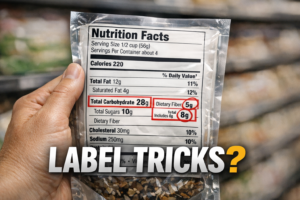
The same warning applies to frozen sides, steam bags, and restaurant vegetable blends. Read the ingredients. Read the nutrition facts. Look for the starchy filler, not just the headline vegetable.
How to read labels on frozen vegetables, mixed sides, and blends
If you buy vegetables in bags, cups, steam packs, or frozen blends, this part matters.
Here is what to check first:
- Is it one vegetable or a mix?
- Does the mix include corn, peas, carrots, or potatoes?
- Is there sauce already included?
- What is the serving size, and how many servings are in the bag?
- Are you looking at plain vegetables or a ready-made side dish?
This is where people get burned. They see “cauliflower blend” on the front, then ignore that it also includes peas, corn, carrots, sauce, or rice-style fillers that change the total.
For canned or cup-style vegetables, also watch for sweetened versions, marinades, and “seasoned” sides.
For smoothie blends or freezer packs marketed as produce, be careful too. Those often cross into the same problem covered in Net Carb Trap Map: the front of the package sounds healthy, but the back tells a different story.
Best use cases for vegetables on keto
If you want vegetables to help instead of hurt, use them in ways that make sense.
Best use cases
- Base for real meals: salad greens, zucchini, cauliflower rice, broccoli, mushrooms
- Side dish in controlled portions: asparagus, green beans, cabbage, peppers
- Flavor support: onion, tomato, carrot in smaller amounts
- Volume without carb chaos: cucumber, lettuce, celery, spinach
Use more caution when the vegetable becomes:
- a giant roasted tray you keep picking at
- a soup with mystery ingredients
- a casserole with starch, sauce, or crunchy topping
- a smoothie ingredient pile
- a restaurant side you did not ask enough questions about
If you are a beginner and still trying to sort out what actually works, Beginner Keto Fix Map is a better place to start than memorizing random internet “good food” lists.
Common keto vegetable mistakes
- treating all vegetables like they have the same carb impact
- ignoring portion size because the food feels healthy
- forgetting that cooked vegetables shrink and concentrate
- counting the vegetable but not the sauce
- buying frozen blends without checking what else is inside
- calling starchy sides “vegetables” like that solves the problem
This is where most people mess up: they assume that because vegetables are better than fries, bread, or dessert, the details stop mattering. On keto, they still matter.
Fix this first:
- Build most meals around easier-fit vegetables first. Lettuce, spinach, cucumber, zucchini, mushrooms, broccoli, cauliflower, and asparagus are usually simpler to manage.
- Treat onions, tomatoes, carrots, peppers, and mixed vegetables as “watch the portion” foods. They can fit, but they are not freebies.
- Stop calling corn, potatoes, sweet potatoes, and big starchy sides keto-friendly just because they are vegetables. That logic is what keeps people confused.
- Check the full dish, not just the main ingredient. Sauces, casseroles, glazes, soups, and frozen blends are where the carb math often changes.
- Use your daily carbs where they help most. A controlled serving of vegetables with a real meal makes sense. A giant “healthy” side that eats half your budget usually does not.
If you do that, vegetables stop being confusing. They become what they should be on keto: useful, practical, and easy to fit when you stop pretending they all work the same way.
🔎 If this helped, here are more no-BS keto guides worth reading next:
- Keto Fruit: What You Can Actually Eat, What Adds Up Fast, and What Usually Trips People Up
- Keto Foods That Are Secretly High Carb (What to Avoid)
- Net Carb Trap Map: The No-BS Hub for Bars, Wraps, Drinks, and Desserts
Explore more Keto Food & Carbs guides here: