If you want the best keto foods at Walmart, do not shop by buzzwords. Shop by what actually turns into real meals, keeps you full, and saves you from stupid carb surprises later in the week.
That is where a lot of people mess this up. They go in looking for “keto food” and come out with bars, shakes, snacks, and a bunch of low-carb-looking junk that still leaves them hungry by Wednesday.
Here is the reality check: Walmart is not hard for keto because there are no options. It is hard because there are too many options, and a lot of them look useful when they really are not.
The goal is not to fill your cart with keto-branded products. The goal is to leave with enough protein, vegetables, freezer backups, and simple extras to make the next 3 to 5 days easier.
Why Walmart can actually work well for keto
Walmart is useful because it gives you cheap basics, decent frozen backups, and enough label variety to build simple meals without paying specialty-store prices.
It also makes it very easy to waste money.
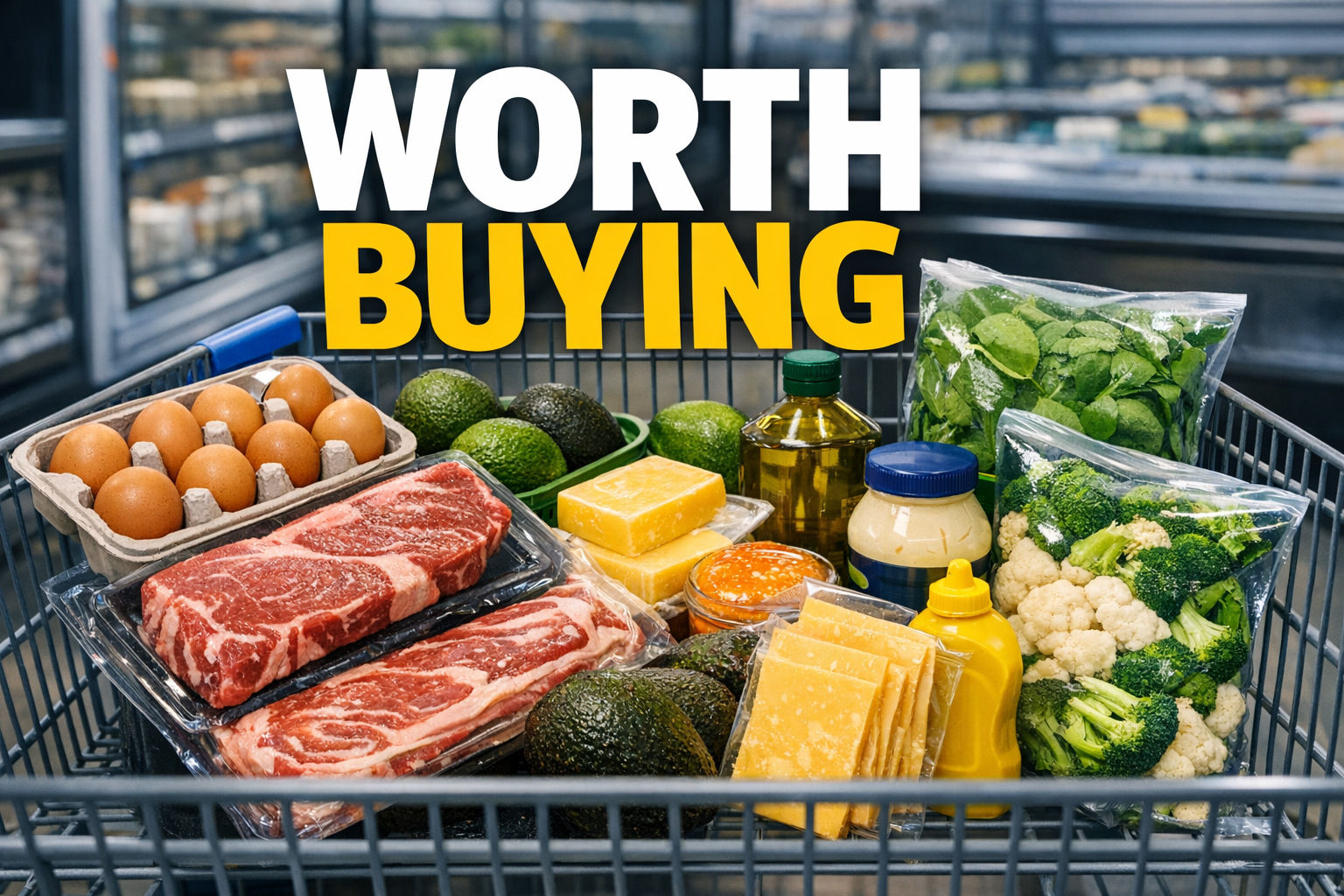
You can build a great keto cart there with eggs, meat, frozen vegetables, salad stuff, canned fish, plain dairy, and a few condiments. Or you can build a fake keto cart with tortillas, bars, shakes, cereal, desserts, and sauces that look harmless until they start stacking up.
If your cart is built around real meals, Walmart works. If your cart is built around convenience food and wishful thinking, it gets sloppy fast.
The best keto foods at Walmart start with protein
If you want a useful Walmart trip, start with food that can carry lunch or dinner.
That means eggs, ground beef, chicken thighs, chicken breast when priced well, burger patties, canned tuna, canned salmon, pork chops, sausage with a clean label, and rotisserie chicken if the ingredients make sense.
This matters because most keto shopping problems are not really carb problems first. They are meal-structure problems. You buy a bunch of side foods, snack foods, and backup foods, but not enough actual meal food.
Then real life happens. You are tired, busy, or late. Dinner is weak. You start picking at cheese, nuts, deli meat, yogurt, or something labeled keto. You stay low carb on paper, but the day still goes off track.
If your Walmart trip gives you 3 easy protein-based meals, you are already ahead. If you need a simple baseline, pair this with this keto foods list for beginners.
Cause #1: People buy keto products instead of real meal food
This is the biggest Walmart mistake.
You walk in planning to eat better and leave with “keto” cereal, low-carb bars, protein shakes, wraps, cookies, snack cups, and maybe a pack of beef sticks. The cart looks low carb, but it does not actually build a week of satisfying meals.
In real life, it looks like this: breakfast becomes a shake, lunch becomes a snack plate, and dinner gets delayed because you think you already ate. Then you are hungry at night and start eating whatever is easy.
The common mistake is trusting labels more than fullness. A product can be low carb and still be a bad buy if it does not help you stay full or make dinner easier.
The fix is to make most of your cart boring on purpose. Meat, eggs, plain dairy, frozen vegetables, salad basics, and a few sauces should do most of the work. Packaged items should support the plan, not become the plan.
What to buy first at Walmart: proteins, vegetables, and repeat-meal basics
- Proteins worth buying repeatedly: eggs, ground beef, chicken thighs, frozen burger patties, canned tuna, canned salmon, rotisserie chicken, plain sausage when the label is clean
- Vegetables that usually make sense: broccoli, cauliflower, green beans, zucchini, romaine, spring mix, cabbage, frozen cauliflower rice
- Meal-support basics: butter, olive oil, avocado oil, sour cream, block cheese, mayo, mustard, salsa, pickles
That is your base. Everything else should earn its spot.
Cause #2: People buy things that look keto but still need a label check
Walmart has a lot of foods that are not automatically bad, but they are also not automatic yeses.
This is where people get fooled by front-label language like “protein,” “net carbs,” “keto-friendly,” “grain-free,” or “sugar-free.” Those words do not tell you enough.
What matters is the actual serving size, the ingredient list, and whether the food is likely to turn into a bigger portion than you planned.
A real-life example: someone buys a low-net-carb tortilla, a sauce, and a frozen “healthy” side. Each one looks fine by itself. Then the tortilla count is based on a small serving, the sauce adds more than expected, and the side is mostly starch with marketing on the front. Now the meal is not as clean as it looked.
The common mistake is assuming Walmart’s healthier-looking packaged foods are safe just because they are not obvious junk food.
The fix is to sort foods into three buckets:
- Buy this: foods with simple ingredients that clearly help build meals
- Watch this: foods that can fit, but only if you check serving size and actual net carbs
- Skip this: foods that are mostly hype, dessert, or processed low-carb theater
If label reading is where you usually get burned, read the net carb trap map too.
Best keto foods at Walmart by section
1. Protein section
Buy this: eggs, ground beef, chicken thighs, canned tuna, canned salmon, plain frozen burger patties, rotisserie chicken, shrimp.
Watch this: deli meat, bacon, sausage, meatballs, flavored jerky. These can work, but sugar, starch, or weird fillers show up fast.
Skip this: breaded chicken, glazed meats, frozen bowls that look high protein but are tiny and sauce-heavy.
This is the part of the store that should do most of the heavy lifting. If your protein is weak, the rest of your cart will not save you.
2. Vegetable section
Buy this: broccoli, cauliflower, cabbage, romaine, spinach, zucchini, green beans, asparagus when priced well, frozen versions if fresh keeps rotting in your fridge.
Watch this: salad kits, peppers, onions, tomatoes, and pre-cut convenience vegetables. These are not “bad,” but portions and add-ons matter.
Skip this: vegetable sides that come covered in sweet sauce, crunchy toppings, or starch-heavy mixes pretending to be healthy.
If you keep getting fooled by vegetables that sound harmless but add up fast, this helps: keto vegetable carb traps and keto fruit.
3. Dairy and fridge section
Buy this: block cheese, shredded cheese you will actually use in meals, sour cream, cream cheese, butter, cottage cheese if it fits your carbs, plain Greek yogurt in measured amounts.
Watch this: yogurt cups, flavored creamers, snack cheeses, and heavy cream habits. These are where “just a little” turns into daily creep.
Skip this: dessert-style yogurts, sugary creamers, and dairy buys that are basically snack bait.
Dairy should support meals, not replace them.
4. Frozen shortcuts
Buy this: plain frozen broccoli, cauliflower, green beans, cauliflower rice, frozen shrimp, frozen burger patties, plain chicken wings with clean ingredients.
Watch this: meatballs, sausage, and premade skillet kits. Sometimes they work. Sometimes the sauce does the damage.
Skip this: breaded, stuffed, glazed, casserole-style frozen foods that look easy but quietly wreck the math.
This is where Walmart can save dinner on a busy night. But plain is what keeps it useful.
5. Sauces and condiments
Buy this: mustard, mayo, salsa, hot sauce, pickles, simple dressing ingredients, and lower-sugar ketchup only if you actually use small amounts.
Watch this: BBQ sauce, bottled dressings, marinades, flavored mayo, and anything labeled “light” or “healthy.” Read the label. Do not guess.
Skip this: sweet glazes, honey-style sauces, sticky marinades, and dressings loaded with sugar.
A practical option if you want one cleaner condiment backup at home is avocado-oil mayo. And if ketchup is one of your weak spots, a measured unsweetened ketchup option can keep burgers and eggs simple without the usual sugar hit.
6. Drinks
Buy this: water, sparkling water, unsweetened tea, coffee you drink like coffee, not like dessert.
Watch this: zero-sugar energy drinks, flavored waters, protein drinks, sports drinks, and bottled smoothies with “healthy” marketing.
Skip this: sugary coffee drinks, sweet creamers, bottled juice blends, and drinks that only look keto because the front label is loud.
Drinks and condiments are where people quietly lose control without noticing. That is why keto convenience food traps matters here too.
Cause #3: Backup food turns into everyday food
Backup food is useful. Walmart is full of it. But a lot of people confuse backup food with normal daily food.
Jerky, tuna pouches, snack cheese, protein shakes, and low-carb bars can all have a place. The problem starts when every busy day becomes a snack day.
It looks like this: you buy emergency items for work, the car, or late nights. Then instead of saving them for emergencies, you start living on them. Lunch becomes random, fullness gets weaker, and dinner gets sloppier.
The mistake is thinking convenience equals structure. It does not.
The fix is to keep backup food in a backup role. Use it when you are genuinely stuck, not because you did not want to cook eggs or reheat leftovers.
If you want one practical tool that helps Walmart groceries last longer, solid meal-prep containers make it easier to turn protein and vegetables into repeat lunches instead of random fridge grazing.
Cause #4: People judge value by sticker price instead of meals
This is the Walmart trap that gets a lot of people.
Cheap does not always mean useful. A bargain snack box or low-carb dessert pack can feel like a win because the price seems easy. But if it disappears in a day and still leaves you hungry, that is not value.
A better test is simple: how many real meals does this buy create?
Eggs, ground beef, cabbage, frozen broccoli, canned fish, and chicken thighs usually win that test. They may not feel exciting, but they make the week easier.
That is what “worth buying” actually means on keto. Not trendy. Not cute packaging. Not a huge keto claim. Just food that works when real life gets messy.
If you want a smarter grocery system instead of random aisle wins, read lazy keto grocery systems and compare it with keto at Costco if you shop both stores.
Common Walmart keto mistakes
- shopping hungry and starting in the snack aisle
- buying “keto” products before buying protein
- overbuying dairy and underbuying actual meal food
- buying fresh produce you never cook
- treating sauces, creamers, and drinks like they do not count
- using backup foods as everyday meals
- trusting front-label marketing instead of the actual label
Here is the truth: the best keto foods at Walmart are usually the boring foods that make Tuesday dinner easy, not the exciting little packages screaming “low carb” from the shelf.
Fix this first:
- Build your Walmart list around 3 repeat meals. Know your easy breakfast, lunch, and dinner before you walk in.
- Buy protein first. If the cart is weak on eggs, meat, fish, or real meal anchors, fix that before looking at snacks.
- Use the buy this / watch this / skip this filter. It works better than chasing keto labels.
- Keep frozen backups plain. Plain vegetables, plain proteins, and simple emergency meals beat sauce-heavy convenience food.
- Judge value by meals, not hype. If a food does not help you stay full or make the week easier, it is probably not worth buying.
If this helped, read these next:
- Lazy Keto Grocery Systems: Why a Full Cart Still Leaves You With No Real Plan
- Keto at Costco: What I Actually Buy (And What I Skip)
- Net Carb Trap Map: The No-BS Hub for Bars, Wraps, Drinks, and Desserts
Explore more Keto Shopping & Eating Out guides here: