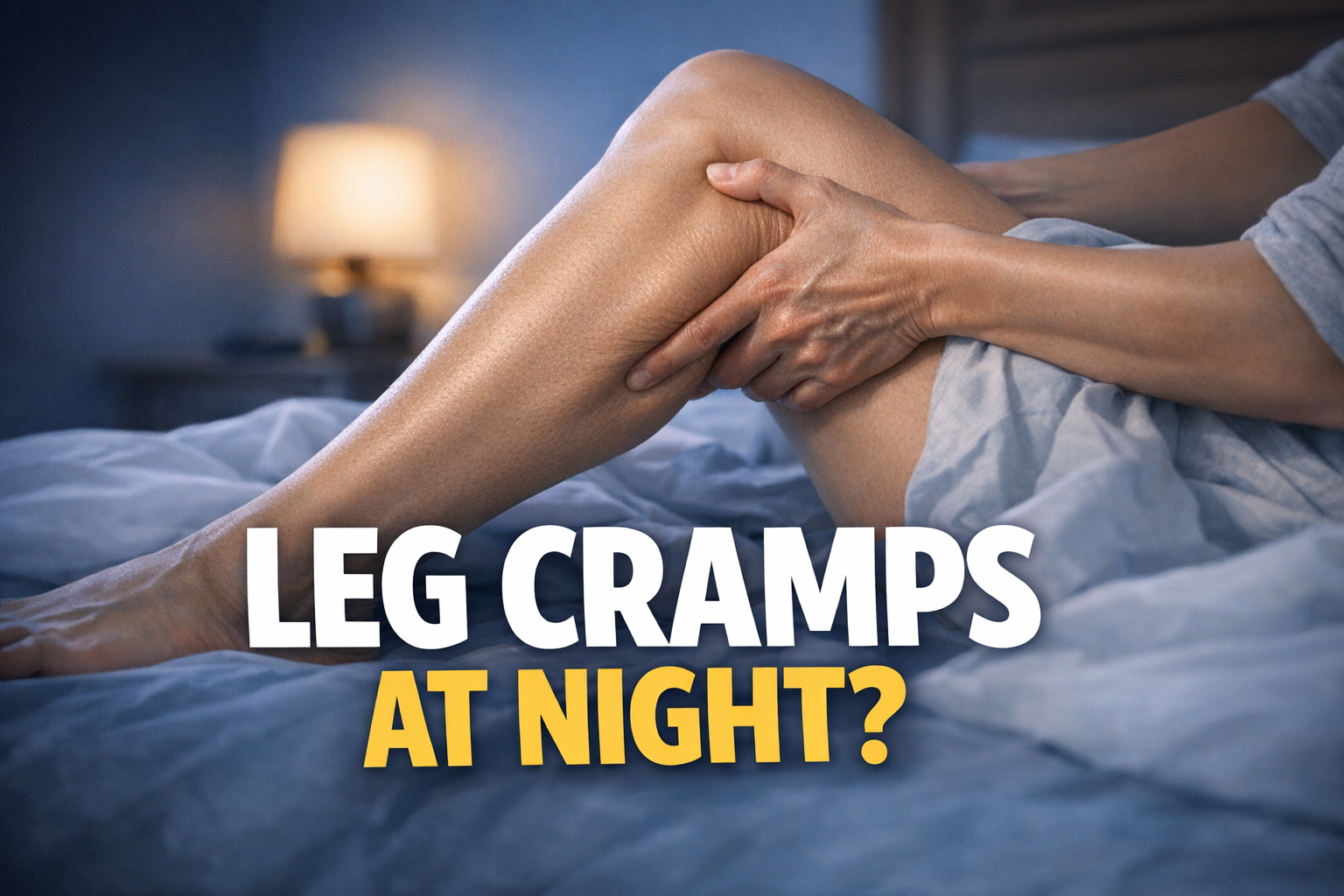
You go to bed thinking you did keto right, then your calf locks up in the middle of the night like somebody plugged it into a wall. If you keep getting leg cramps on keto, that usually is not random. It usually means something in your electrolyte balance, hydration, routine, or food setup is off.
I’ve seen this pattern a lot: people cut carbs fast, feel fine for a day or two, then the weird stuff starts showing up at night. Tight calves. Foot cramps. Toes curling up for no good reason. It’s annoying, but it’s also fixable when you know what’s actually causing it.
The short version: keto changes how your body handles water and minerals. When sodium drops, other things can get messy too. That’s why night cramps often show up with headaches, weakness, dizziness, or that washed-out feeling people blame on “just adjusting.” If you have not read it yet, this guide on keto electrolyte balance helps explain the big picture.
Why leg cramps on keto happen in the first place
When you cut carbs, your body sheds water. Along with that water, you lose sodium. Once sodium gets low, your muscles and nerves can start acting weird. Some people also end up low on magnesium, under-hydrated, or both.
That is why night cramps on keto are rarely about one magic deficiency all by itself. Usually it is a stack of small problems: not enough salt, more fluids than minerals, coffee all day, sweat loss from workouts, and meals that look clean but do not actually replace what you are losing.
If your legs cramp mostly at night, that can also mean the problem has been building all day. You do not notice it at breakfast. You do not notice it at lunch. Then by bedtime, your body is done being polite.
Start here:
Cause #1: You dropped carbs, but never replaced sodium
This is the biggest one. Most people hear “drink more water” when they start keto, but they do not hear the second half: you usually need more sodium too.
Here is what it looks like in real life: you stop eating bread, pasta, chips, and takeout. Sounds good. But now you also cut a lot of the salty foods you used to eat. You drink plain water all day, maybe even extra because you are trying to be healthy, and by night your calves feel tight or twitchy.
The common mistake is thinking water alone fixes keto side effects. It does not. If sodium is low, more plain water can sometimes make you feel worse.
The fix is simple and boring, which is why it works. Salt your food more on purpose. Use broth, pickles, olives, or other salty keto-friendly foods if they fit your plan. If you need something easier, a simple electrolyte powder can help, especially on days when you are dragging, cramping, or sweating more than usual. Keep the supplement part narrow. You do not need a whole cabinet. You need enough sodium, consistently.
If your cramps come with weakness, that is usually the same story. This article on feeling weak on keto covers that pattern well.
Cause #2: Your magnesium intake is too low to support muscle function
Magnesium is not the only reason keto cramps happen, but it matters. Your muscles need it to relax properly. When magnesium runs low, tightness and cramping can show up more easily, especially at night.
This usually sneaks up on people whose food got too narrow. Maybe breakfast is coffee, lunch is eggs, dinner is ground beef, and vegetables are an afterthought. Or maybe you are eating “keto snacks” instead of real meals. The carbs are low, but the overall mineral intake is weak.
The mistake here is chasing magnesium first while ignoring everything else. If sodium is still low, taking magnesium alone may not solve much. On the flip side, if your diet is tiny and repetitive, ignoring magnesium is not smart either.
Start with food first. Pumpkin seeds, leafy greens, and some nuts can help, though portions still matter on keto. If you are dealing with repeat night cramps and your food is clearly lacking, magnesium glycinate is one of the more reasonable options to discuss with a clinician or pharmacist. Just do not treat it like the only lever that matters.
Cause #3: You are under-hydrated during the day, then trying to catch up at night
A lot of people do this without realizing it. They get busy, drink coffee, maybe one bottle of water, then chug a bunch in the evening because they suddenly remember hydration exists. That can leave you feeling off all day and still not fix the real problem.
Night cramps often show up after a sloppy hydration pattern. Not just low fluid, but uneven fluid. Your body likes steady intake better than neglect followed by panic.
The common mistake is “I drank a ton before bed, so I should be fine.” That is not the same as staying hydrated through the day. It also does nothing to replace minerals if the fluid is just plain water.
The fix is to spread fluids out earlier. Drink with meals. Drink after workouts. Drink before you get thirsty enough to feel lousy. If you know you sweat a lot, do not wait until bedtime to fix it. And again, think fluids plus electrolytes, not fluids instead of electrolytes.
Cause #4: You are overdoing caffeine, workouts, or both
Keto can make some people feel a little more sensitive to caffeine, especially early on. Add hard workouts, sweating, and not enough electrolyte replacement, and night cramps get a lot less mysterious.
This is a classic setup: coffee in the morning, maybe an energy drink in the afternoon, a workout after work, then a leg cramp at 2 AM. People blame the workout itself, but the bigger issue is often what the workout pulled out of them and what they failed to replace.
The mistake is thinking clean eating cancels out stress on the body. It does not. If you sweat more, train harder, or lean on caffeine to get through the day, your electrolyte needs may go up.
The fix is practical. Be honest about how much caffeine you are using. Stop treating every dip in energy like a coffee emergency. If you train hard, plan your fluids and sodium on purpose. If your heart feels weird along with cramps, read this on why your heart pounds on keto, because that overlap is common when electrolytes are off.
Cause #5: Your meals are too light, too clean, or too random
Sometimes cramps are part of a bigger “my keto setup looks good on paper but feels bad in real life” problem. Tiny salads, coffee for breakfast, little snack plates, and lean protein with almost no salt can leave you short on energy and minerals by night.
People do this because they are trying to be good. They cut carbs, avoid obvious junk, and keep meals small. But if those meals are underbuilt, the body still pays for it later.
The mistake is confusing low carb with well structured. Those are not the same thing. You can stay low carb and still build weak meals.
The fix is to make your meals more complete. Include real protein. Salt your food. Add keto-friendly foods that actually nourish you instead of just keeping carbs low on paper. If your whole plan still feels rough even after the first week, this breakdown of keto flu explained can help you spot what else is going wrong.
What most people get wrong about keto cramps
The biggest mistake is treating cramps like a weird side effect that will just pass if you ignore it. Sometimes they do improve on their own. A lot of times they keep showing up because the same setup keeps repeating every day.
Another mistake is trying to fix everything with one supplement. You do not need a dramatic protocol. You need to look at the pattern:
- Are you getting enough sodium?
- Are you drinking steadily or randomly?
- Are you sweating a lot?
- Are your meals actually substantial?
- Did caffeine quietly take over your whole day?
That is where the real answer usually is.
Related:
When leg cramps on keto are more than a simple electrolyte issue
Most keto night cramps are fixable with better hydration, sodium, and meal structure. But not every cramp is a keto cramp. If cramps are severe, one-sided, come with swelling, keep happening despite fixing the basics, or you have medical issues that affect fluids, kidneys, blood pressure, or medications, get medical advice.
That is especially true if the cramping started before keto or comes with numbness, chest symptoms, or anything that feels bigger than a simple calf spasm in bed. Keto is not an excuse to guess forever.
Fix this first:
- Add sodium on purpose for the next few days. Salt your meals more, use broth or salty keto-friendly foods, and stop relying on plain water alone.
- Spread fluids through the day. Do not wait until night to play catch-up.
- Look at your routine honestly. If caffeine is high or workouts are sweaty, replace what you are losing.
- Build better meals. Real protein, enough salt, and fewer random snack-style meals usually help fast.
- Escalate if it keeps happening. If cramps stay frequent or feel severe, talk to a clinician instead of guessing.
🔎 If this helped, here are more no-BS keto guides worth reading next:
- Keto Flu Explained (What It Is and How to Fix It Fast)
- Why You Feel Weak on Keto When You Cut Carbs Fast but Never Replace Sodium
- Why Your Heart Pounds on Keto When Electrolytes Are Off and Caffeine Is Too High
Explore more Keto Problems & Side Effects stories here: