
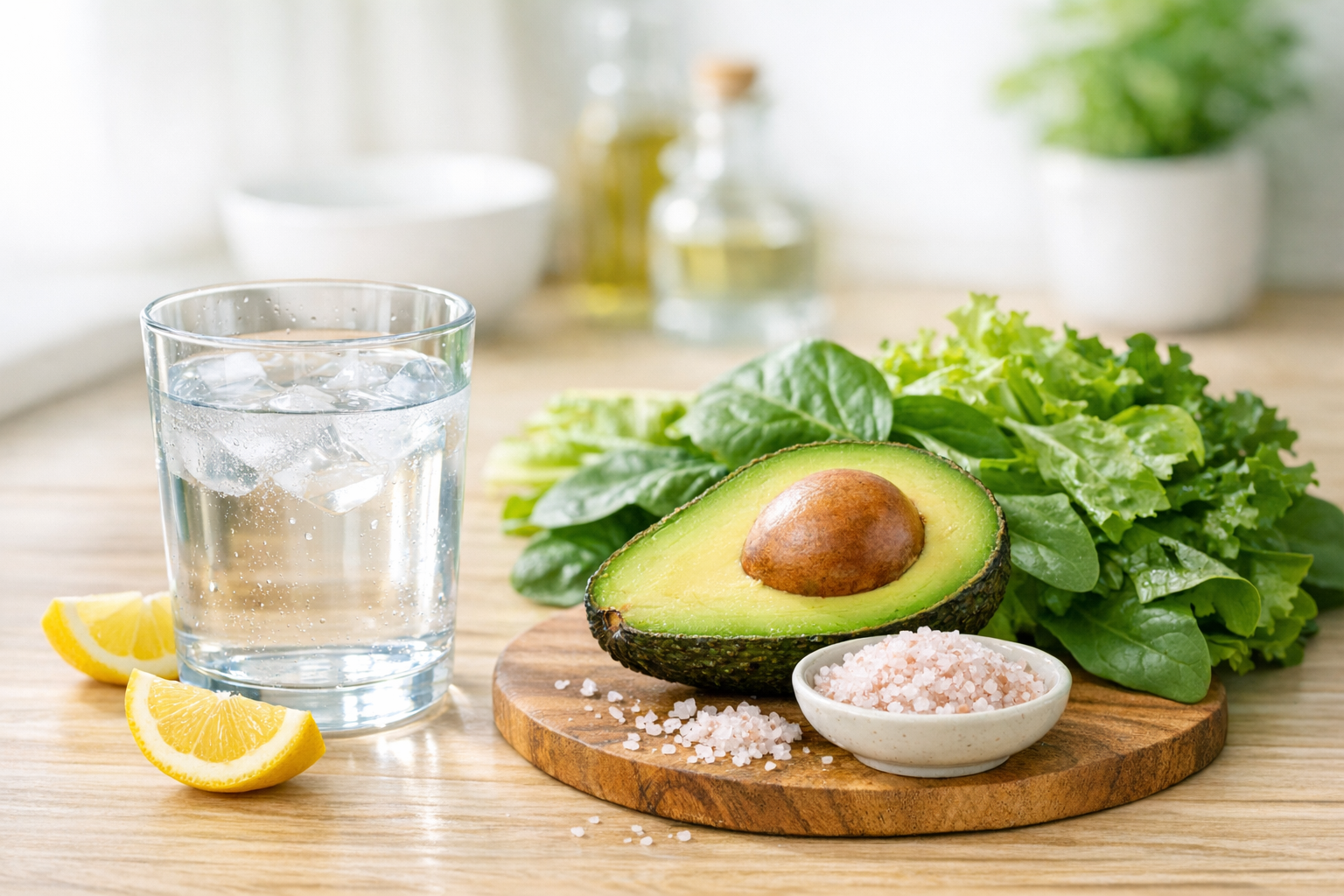
Keto electrolyte balance sounds technical, but the problem is usually simple.
You cut carbs, dump water, lose sodium fast, and then wonder why you feel weak, foggy, headachy, or just plain off.
That is not your body rejecting keto. Most of the time, it means your electrolytes got sloppy.
If keto started feeling harder right after you got “serious” and cleaned up your food, this is one of the first things to check.
Why keto electrolyte balance matters more than most beginners realize
When carbs drop, insulin drops too. That makes your body release more water and more sodium.
Sounds harmless. It is not, at least not if you never replace what you lost.
That is why keto electrolyte balance matters. You are not just changing food. You are changing how your body holds fluids, salt, and minerals.
In real life, this is why someone can start keto feeling motivated, then by day three feel tired, shaky, irritable, or weirdly hungry.
They think keto is failing. Usually the setup is failing.
If your whole plan already feels shaky, Keto Isn’t Working? The Real Reasons is worth reading too. Electrolytes are a big piece, but they are not the only piece.
Start here:
Start here:
Cause #1: You cut carbs fast and never replaced sodium
This is the biggest mistake.
When you cut bread, pasta, chips, takeout, and processed food, you often cut a huge sodium source too. Then keto makes you flush out even more.
Real life example: you start eating eggs, chicken, salads, and plain meat because you are trying to be clean.
By afternoon you feel flat, tired, and maybe get a headache. You assume you need carbs. A lot of the time, you need salt.
The common mistake is being scared of sodium because old diet advice says all salt is bad. On keto, low sodium is often the problem, not the solution.
The fix is simple. Salt your meals on purpose. Use broth, pickle juice, salted meat, or an electrolyte mix that actually contains sodium.
If you are sweating, training hard, or living somewhere hot, you usually need even more attention here.
If keto headaches have already shown up, Why Keto Headaches Happen and What Your Body Needs connects the dots fast.
Cause #2: You drink more water but never think about balance
A lot of people notice keto makes them thirstier, so they start pounding water all day.
Water matters. But too much plain water with not enough sodium can leave you feeling worse, not better.
This is where people get confused. They are trying to do the healthy thing, but they wash out what little sodium they had left.
Then they feel dizzy, low-energy, and strangely wiped out.
Real life example: someone carries a giant water bottle, empties it three times, eats plain chicken and vegetables, then cannot figure out why they feel weak during the afternoon.
That is not usually a hydration win. That is an imbalance.
The mistake is treating hydration like a water contest. Keto hydration works better when fluid and electrolytes stay together.
The fix is pairing water with salted meals and, when needed, a real electrolyte source.
You do not need to obsess over perfect numbers. You do need to stop assuming more water automatically fixes everything.
Cause #3: Your meals are too clean, too light, and too low in minerals
Some people make keto harder by trying to eat like a bodybuilder on prep. Everything is lean, plain, tiny, and weirdly joyless.
That usually means not enough sodium, not enough potassium-rich foods, and not enough overall food volume.
It looks like eggs with no salt, grilled chicken on lettuce, maybe a protein shake, and then confusion when hunger and fatigue keep showing up.
That is not disciplined. That is underbuilt.
The common mistake is assuming keto works better when meals are as stripped down as possible. Usually it works better when meals are actually satisfying.
The fix is building real meals: meat or eggs, enough salt, and low-carb foods that bring some potassium and magnesium to the table, like avocado, leafy greens, mushrooms, salmon, and pumpkin seeds if they fit your carbs.
You do not need to turn this into chemistry class. You just need to stop eating sad little meals.
If your bigger issue is that meals never feel complete, Why You’re Not Losing Weight on Keto also helps because weak meal structure and electrolyte problems often show up together.
Cause #4: You blame keto fatigue on carbs when it is really a transition problem
Early keto can feel rough even when you are doing a lot right. The problem is that people often misread that rough patch.
They assume the answer is more carbs, a cheat meal, or quitting the whole thing.
Sometimes the issue is just that the transition got aggressive and the basics did not keep up.
Real life example: someone feels good for the first day or two because motivation is high, then crashes hard around day three.
They think, “See? Keto is not for me.” In reality, they cut carbs, lost water, lost sodium, and never adjusted anything else.
The mistake is treating every bad symptom as proof the diet is wrong. Often it is just proof the setup is incomplete.
The fix is slowing down the panic. Check sodium. Check water balance. Check whether meals are strong enough.
Give the body a little time to settle before declaring failure.
Cause #5: You expect one magnesium pill to fix everything
This is a sneaky one. People hear electrolytes matter, so they buy one supplement and assume the problem is handled.
Sometimes that helps a little. It usually does not fix the whole picture if sodium is still low and meals are still weak.
What this looks like in real life: you take magnesium at night, but daytime fatigue, headaches, or muscle weirdness stay the same.
Then you decide electrolytes must be overhyped. Not really. You just addressed one piece badly.
The common mistake is thinking keto electrolyte balance means one capsule.
It usually means a more basic setup: enough sodium, enough fluid, enough food, and then targeted supplements if needed.
The fix is using supplements as support instead of magic. A simple electrolyte mix can help, especially if it is built around sodium instead of fairy dust.
But your meals and hydration still do most of the work.
Common mistakes that keep electrolyte problems going
- Going low carb and low salt at the same time: this is the fastest way to feel awful
- Drinking endless plain water: more water is not always better if sodium stays low
- Eating tiny clean meals: weak meals make fatigue and cravings worse
- Assuming every symptom means you need carbs: sometimes you just need a better setup
- Relying on one supplement: electrolytes are a system, not a magic pill
Related:
What better keto electrolyte balance actually looks like
It looks boring, which is good.
You salt your food. You eat real meals. You stop treating water like a contest.
You notice when sweating, hot weather, or hard workouts make things worse.
You use an electrolyte product if it helps, but you do not pretend a flavored powder can fix a sloppy plan by itself.
Most people do not need a lab coat. They need to stop ignoring obvious clues.
If keto suddenly makes you feel weak, dizzy, crampy, headachy, or strangely flat, start with sodium and meal quality before you start questioning the whole diet.
Fix this first:
- Salt your next few meals on purpose instead of eating plain “clean” keto food.
- Stop chugging plain water all day without replacing sodium.
- Build meals around real protein, enough food volume, and a few mineral-rich low-carb foods.
- Use broth or a real electrolyte mix if symptoms keep showing up, especially during the first week.
- Give your body a few consistent days before deciding keto is the problem.
If this helped, here are more no-BS keto guides worth reading next:
- Keto Isn’t Working? The Real Reasons (And What Actually Fixes It)
- Why Keto Headaches Happen and What Your Body Needs
- Why You Feel Weak on Keto When You Cut Carbs Fast but Never Replace Sodium
Explore more Keto That Actually Works stories here: