You eat a “keto” protein treat because you want something easy that will keep you full. Then an hour later, you’re still thinking about food, still poking around for something else, and somehow the snack that was supposed to help turned into a second craving.
That usually is not a willpower problem. It is a fake-meal problem.
If keto protein treats keep acting more like dessert than real fuel, there is a reason. A lot of these foods are built to taste fun, feel sweet, and go down fast. That makes them easy to buy, but not always good at shutting down hunger.
I’ve seen this pattern a lot: you grab a bar or a sweet “protein” snack between meetings, feel like you checked the keto box, then spend the next two hours wanting another bite of something.
Here’s the truth. The problem is usually not the word protein on the label. The problem is that the food still behaves like a treat.
Why keto protein treats keep backfiring
Some keto-friendly protein foods can be useful. That is not the issue. The issue is when a product gets treated like a meal fix even though it has dessert texture, sweet flavor, weak fullness, and zero stopping power.
That is why someone can technically stay low carb and still feel snacky all day. The label says protein. Your appetite says, “That did not count.”
Start here:
1. They taste like dessert, so your appetite stays switched on
This is where a lot of people get fooled. If the product is chocolatey, chewy, creamy, crispy, or candy-like, your brain often reads it more like a reward than a real meal. Even when carbs stay low, the sweet taste can keep the food chase going.
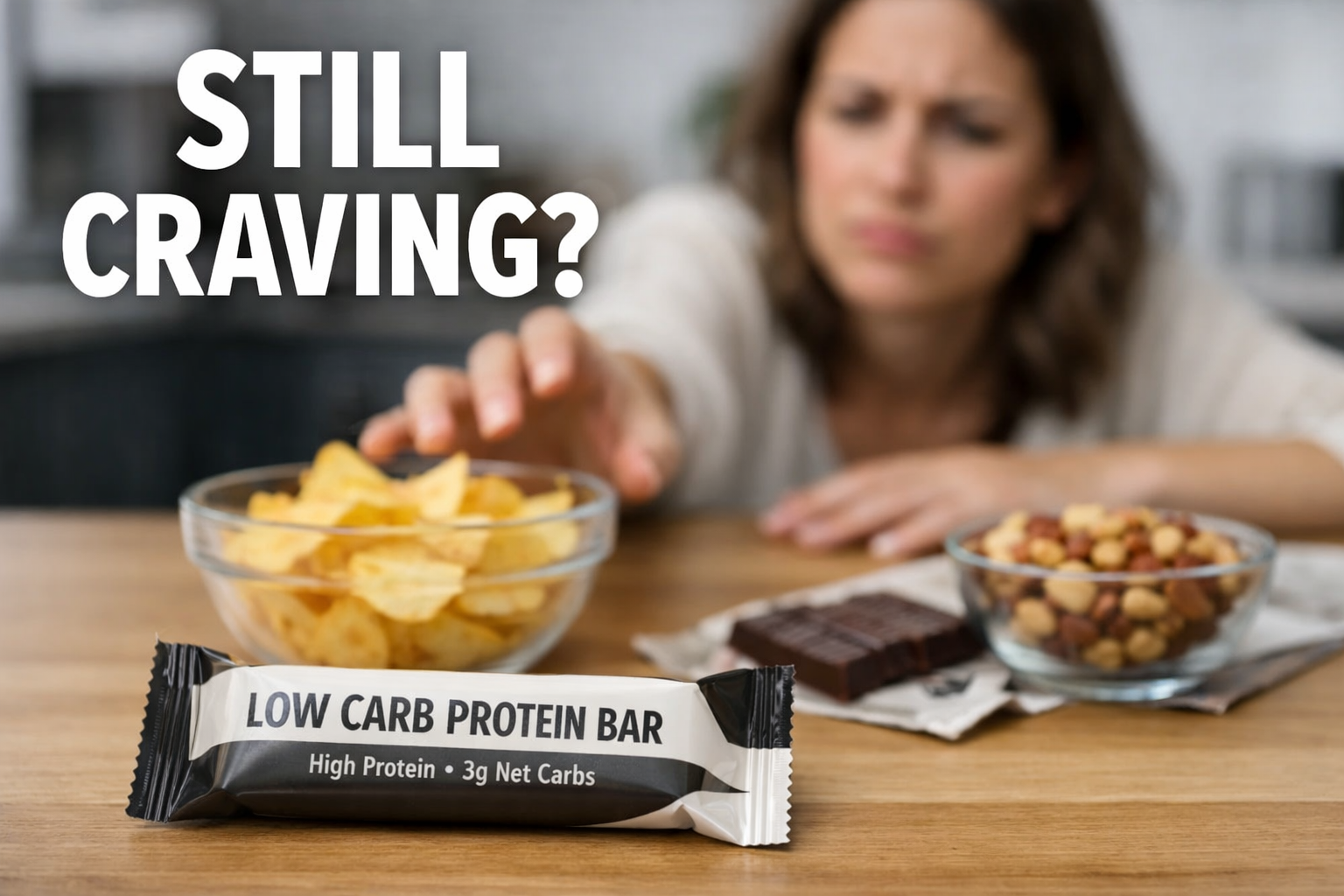
In real life, it looks like this: you eat a low-carb protein bar at 10 AM because lunch is far away. It tastes like a candy bar with better branding. You finish it fast, feel briefly satisfied, then start thinking about coffee, nuts, or another snack not long after.
The common mistake is believing that low sugar automatically means low craving. It doesn’t. A food can fit keto macros and still keep your mouth and brain in dessert mode.
The fix is to stop asking sweet-tasting products to do the job of a real meal. If you need protein support, use something less dessert-like. An unsweetened-style zero carb protein powder option like Isopure mixed simply with water or used next to real food usually makes more sense than eating a candy-texture bar and calling it lunch.
If sweet taste keeps pulling you back in, also read Sugar Alcohols on Keto: Why They Leave You Bloated, Hungry, and Still Snacking. That problem overlaps more than people think.
2. They are too small and too easy to eat fast
A lot of keto protein treats are tiny. They may have some protein, but they do not give you much chewing, much volume, or much slowdown. So you finish them in six bites, and your body barely registers that you ate.
That is a big reason they become a second craving instead of a real meal. Fast food is not always filling food. A small bar, cookie, or sweet snack can disappear before your hunger has any chance to settle.
One real-life example: you skip breakfast, then grab a protein treat during the afternoon slump. It is 180 calories, maybe decent on paper, but it is gone in two minutes. By 3 PM, you are standing in the kitchen telling yourself you need “just a little something else.”
The mistake here is thinking protein grams by themselves decide fullness. They do not. Speed, volume, texture, and how complete the meal feels matter too.
The fix is to choose protein that feels like food. Jerky, eggs, tuna, leftover chicken, or a simple meat-and-cheese plate usually lands better than a tiny sweet square. If you need a portable backup, Chomps grass-fed beef sticks work better for many people because they eat more like actual food and less like dessert.
If your whole day keeps leaning on labeled convenience food, read Keto Convenience Food Traps. It helps you spot where easy keto products stop being useful.
3. They get used as a meal replacement when the real problem is weak meal structure
This is where keto starts looking fine on paper but still feels bad in real life. A person under-eats protein at meals, skips proper lunch, then uses a protein treat to patch the gap. The treat gets blamed, but the bigger issue is that the day had no solid structure.
If breakfast was coffee, lunch was random bites, and dinner is still hours away, a protein treat is trying to do way more work than it can handle.
That is why the same product might feel okay as an emergency bridge one day and feel useless on another day. Context matters. A sweet snack cannot rescue a day built on weak meals.
The common mistake is saying, “I had plenty of protein today,” when most of it came from snack foods instead of anchored meals. That usually leaves people hungry, restless, and weirdly unsatisfied.
The fix is to build meals around protein first, then use convenience items only as backups. If this is a repeated issue, read Keto Protein Problems: Why You’re Hungry, Snacky, and Stuck. It is the better next step when your day keeps turning into scattered protein instead of real meals.
4. Sweet keto marketing makes people ignore the portion creep
When a food is sold as keto, low net carb, and high protein, people often stop treating it like a snack that needs limits. That is when one bar turns into a bar plus peanut butter, or a handful of sweet protein clusters turns into half the bag.
The label creates a false sense of safety. You tell yourself it is better than regular junk food, so the extra bites do not feel like they count. But appetite does not care about marketing language.
In real life, this shows up when you keep nibbling because the food never really closes the loop. It is sweet enough to stay interesting, small enough to justify another one, and “keto enough” to feel harmless.
The mistake is focusing only on net carbs while ignoring behavior. Some foods are not dangerous because they are high carb. They are dangerous because they keep you eating.
The fix is to ask one blunt question: does this food end hunger, or does it extend eating? If it extends eating, it is not doing its job. The bigger pattern is covered well in Net Carb Trap Map: The No-BS Hub for Bars, Wraps, Drinks, and Desserts.
5. They solve convenience, but not the reader’s actual problem
Most people are not buying protein treats because they love label reading. They buy them because life is messy. They need something fast in the car, after the gym, between errands, or before dinner. That part is understandable.
But convenience and satisfaction are not the same thing. A product can be easy to carry and still fail at the exact thing you needed most: making hunger back off.
This is why people keep bouncing between two bad options. Either they eat a sweet keto treat and stay hungry, or they swear off all convenience food and end up unprepared later. Neither extreme works very well.
The better fix is backup food that still feels like food. Think boring but effective: beef sticks, tuna packets, deli meat, hard-boiled eggs, rotisserie chicken leftovers, or a plain protein shake next to something salty and substantial. That gives you portability without turning every emergency meal into dessert logic.
Common mistakes that make keto protein treats worse
- Using them after coffee instead of after a real breakfast
- Calling them lunch when lunch needed actual protein and volume
- Eating them while already stressed, rushed, or overly hungry
- Buying sweet products for appetite control when sweet taste is part of the problem
- Trusting net-carb math more than your own hunger signals
If you are still hungry on keto and cannot tell whether the problem is protein, fake keto food, electrolytes, or meal timing, read Why You’re Still Hungry on Keto. That is the broader troubleshooting guide.
Related:
What to do instead of pretending protein treats are meals
You do not need to ban every protein bar forever. That is not the point. The point is to stop asking dessert-style products to solve heavy-duty hunger.
If a product helps you get through an airport delay or a long appointment once in a while, fine. But if it keeps turning into a second craving, believe the pattern. That food is probably a backup snack, not a meal fix.
Real keto success usually gets more boring before it gets easier. More plain protein. Fewer cute packaged solutions. More meals that actually shut appetite down.
Fix this first:
- Stop using sweet protein treats as meal replacements. Use them only as backup snacks if they truly help.
- Build your next two meals around real protein first. Eggs, meat, fish, chicken, or another solid protein source should carry the meal.
- Notice whether sweet taste keeps the craving loop alive. If yes, reduce dessert-texture keto foods for a week and watch what happens.
- Replace one fake meal option with one boring emergency food. Jerky, tuna, deli meat, or a simple shake works better than most sweet keto treats.
- Use appetite results, not marketing, as the final test. If a food keeps you eating, it is not helping just because the label says keto.
🔎 If this helped, here are more no-BS keto guides worth reading next:
- Sugar Alcohols on Keto: Why They Leave You Bloated, Hungry, and Still Snacking
- Net Carb Trap Map: The No-BS Hub for Bars, Wraps, Drinks, and Desserts
- Keto Convenience Food Traps: The No-BS Guide to Bars, Wraps, Shakes, Desserts, and Low-Net-Carb Labels
Explore more Keto Lies & Myths guides here: