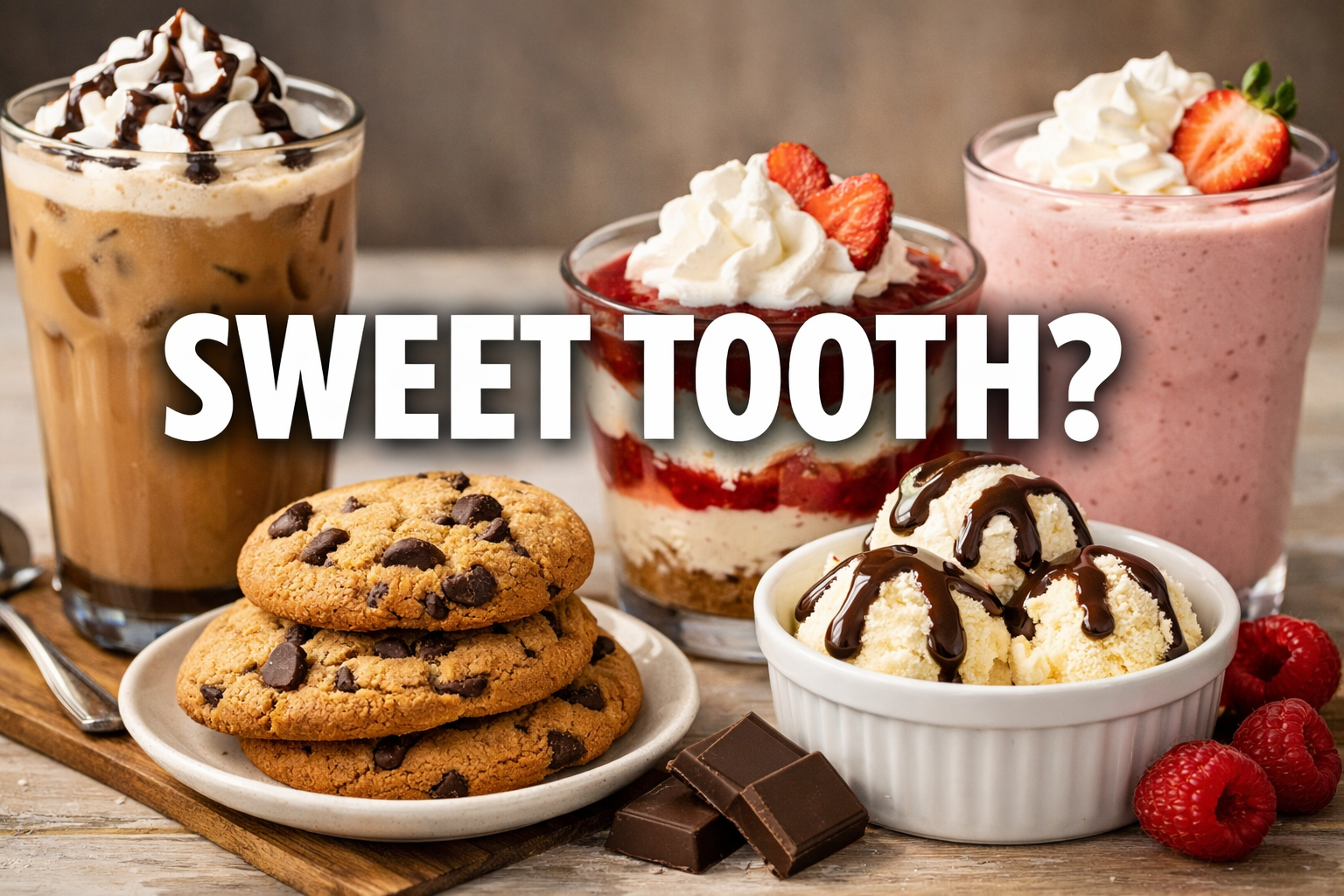
You cut sugar, switched to keto products, and still can’t stop thinking about sweet stuff. That usually means your sugar-free keto habits are keeping your sweet tooth switched on all day.
That’s the part a lot of people miss. You can stay low carb on paper and still keep feeding the same cravings that made keto feel hard in the first place.
I’ve seen this pattern a lot: someone swaps regular sugar for keto bars, flavored coffee, diet drinks, and “just one” sugar-free dessert, then wonders why they still feel mentally glued to sweet food. It feels like you’re being disciplined, but your appetite doesn’t get the message.
Why sugar-free keto habits can still keep cravings alive
Here’s the truth. Keto is not only about keeping carbs low. It’s also about making food feel calmer, simpler, and easier to control.
When sweet taste keeps showing up all day, your brain can stay locked into the same reward loop. You’re technically avoiding sugar, but you’re still chasing sweetness. That can keep hunger, food noise, and “I need a little something” thoughts running longer than they should.
If you already feel stuck in that cycle, you should also read Sugar Cravings on Keto: What They Usually Mean, because sweet habits and bigger cravings often feed each other.
Start here:
Sugar-free drinks all day keep the sweet signal going
One of the biggest problems is constant sweet drinks. That means diet soda, flavored electrolyte packets, sugar-free syrups in coffee, sweet creamers, and low-carb energy drinks from morning to night.
Why it matters is simple: your mouth and brain keep getting the message that sweet stuff is always around. Even if the carbs stay low, the habit of chasing sweet flavor never really shuts off.
In real life, this looks like coffee with syrup in the morning, a diet drink at lunch, flavored water in the afternoon, and a sweet keto hot chocolate at night. None of those choices looks terrible by itself. Together, they can keep your appetite pointed in one direction all day.
The common mistake is thinking, “It’s sugar-free, so it can’t be the problem.” But if you still feel snacky, restless, or like every meal needs dessert, it probably is part of the problem.
The fix is not to panic and ban every flavored thing forever. Start by shrinking the frequency. Pick one sweet drink a day instead of four. Let the rest be plain coffee, unsweet tea, or water. If this sounds familiar, Why Healthy Keto Drinks Stall Weight Loss All Day connects the same issue to all-day appetite drift.
Sugar-free desserts teach you to expect something sweet after every meal
A lot of keto eaters stop eating bread and pasta, but keep the dessert habit fully alive. They just rebuild it with almond flour brownies, keto ice cream, low-carb cookies, and peanut butter cups labeled as keto-friendly.
This is where your sweet tooth keeps getting practice. After enough repetitions, dinner does not feel finished unless something sweet comes after it. That turns sweetness into a routine, not an occasional choice.
Maybe you tell yourself you only eat a small serving. But then the small serving happens every night. Soon you’re not dealing with hunger anymore. You’re dealing with a trained expectation.
The mistake here is treating sugar-free dessert like a harmless daily reward. That usually backfires when your brain starts asking for sweet taste after lunch too, then mid-afternoon, then late at night.
The better move is to break the automatic pattern. Stop having dessert by default. Keep it occasional. A good test is this: can you finish dinner and move on without needing a sweet follow-up? If not, the habit is still running you.
This is also why “Keto Treat” Foods That Quietly Keep Your Cravings Alive matters. A lot of “safe” keto desserts are not helping nearly as much as people think.
Protein bars, sweet snacks, and “emergency treats” blur the line between hunger and cravings
Another habit that keeps the sweet tooth alive is turning every snack into a sweet product. Keto bars, sweet yogurt, dessert-flavored protein shakes, candy-style fat bombs, and low-carb chocolates can all keep you mentally stuck on treats.
Now you’re not just eating sweet taste after dinner. You’re carrying it into the whole day. That makes it harder to tell whether you are actually hungry or just triggered by a familiar reward pattern.
Real life version: you get a little tired at 3 PM, grab a keto bar, and call it practical. But your body didn’t need another dessert-style food. You probably needed a stronger lunch, more protein, more sodium, or a real meal.
The mistake is calling sweet packaged snacks “tools” when they are really acting like backup treats. Some people use them so often that keto starts to feel like dessert with better branding.
The fix is to make snack choices less sweet and more boring on purpose. If you actually need food, eat something that solves hunger: eggs, meat, leftovers, Greek yogurt if it fits your plan, or a simple savory meal. If the only thing that sounds good is a sweet keto snack, that is useful information. It usually means you’re feeding a craving, not fixing a real need.
Sweet little extras keep stacking up even when you don’t notice them
This is where people get fooled. They are not eating one huge sugar-free dessert. They are doing lots of tiny sweet hits that feel harmless: gum after breakfast, sweet coffee at work, a flavored drink in the car, a square of keto chocolate after lunch, then whipped cream or a keto dessert later.
Each one seems small. But your brain is getting repeated reminders all day that sweet taste is available, comforting, and normal.
That matters because keto usually feels easier when food gets quieter. When sweetness keeps popping up, food stays loud. You think about the next thing sooner. You start bargaining with yourself. You keep wanting “just a little bit.”
The common mistake is only counting carbs while ignoring pattern. A food habit can keep messing with appetite even if it technically fits your macros.
The fix is to look at the full day, not one item at a time. Ask yourself how many sweet exposures you had before dinner. If the answer is five or six, that is probably not a coincidence. Cut the random sweet extras first. Gum, syrups, candies, and sweet drinks usually matter more than people expect.
If you want another example of low-carb choices quietly adding up, “Healthy” Keto Sauces, Creamers, and Dressings That Quietly Stack Up All Day shows how these small habits get out of control fast.
Your meals may be too weak, so sweet stuff keeps filling the gap
Sometimes the sweet habit is not the root cause. Sometimes it survives because your real meals are not doing enough work.
If breakfast is just coffee, lunch is random snack food, and dinner is light on protein, your body is going to keep pushing back. Then sweet sugar-free foods slide in because they feel easy, fun, and comforting.
This is why someone can say, “I’m keto, but I think about sweets constantly,” while also eating meals that never fully satisfy them. The sweet tooth is getting attention, but the actual structure problem stays untouched.
The mistake is trying to beat cravings with more keto products instead of building stronger meals. That usually creates a loop where every low point in the day gets patched with something sweet.
The fix is boring, but it works. Build meals around protein first. Make lunch and dinner strong enough that you are not wandering around the kitchen an hour later looking for a sweet bite. If keto still feels shaky overall, Keto Isn’t Working? The Real Reasons (And What Actually Fixes It) helps you zoom out and fix the bigger system.
Common mistakes that keep your sweet tooth running on keto
- Using sweet coffee drinks as a daily crutch
- Ending every dinner with a keto dessert
- Keeping bars, candies, and sweet snacks close all day
- Chewing sweet gum and sipping flavored drinks nonstop
- Trying to manage cravings without fixing weak meals
None of this means you failed keto. It means your habits are still built around sweet reward. If you want cravings to calm down, that pattern has to change.
Related:
Related:
What actually helps your sweet tooth calm down
You do not need perfect purity. You need less repetition.
For most people, cravings improve when sweetness becomes less frequent, less automatic, and less tied to every meal. That gives your brain time to stop expecting a sweet hit all day long.
At first, food may feel a little dull. That’s normal. A lot of people are so used to constant flavor spikes that normal food feels “boring” for a week or two. Then things usually settle down, and the all-day pull toward sweet stuff gets weaker.
The goal is not to prove discipline. The goal is to make keto easier. A calmer appetite is easier to manage than a low-carb plan built around nonstop dessert energy.
Fix this first:
- Cut your sweet exposures in half for one week. Start with drinks, gum, and random little extras.
- Stop treating dessert like the automatic ending to every dinner.
- Replace sweet keto snacks with real savory food when you are actually hungry.
- Make your first two meals stronger so cravings are not filling a protein or meal-structure gap.
- Pay attention to food noise, not just carb totals. If your brain is still chasing sweet taste all day, something needs to change.
If this helped, here are more no-BS keto guides worth reading next:
- “Keto Treat” Foods That Quietly Keep Your Cravings Alive
- Why Healthy Keto Drinks Stall Weight Loss All Day
- “Healthy” Keto Sauces, Creamers, and Dressings That Quietly Stack Up All Day
Explore more Keto Lies & Myths stories here: