Keto fruit can fit. But this is one of the fastest places people start playing games with themselves.
Fruit sounds healthy, natural, and lighter than dessert. None of that changes the carb math.
Here is the real problem. Keto usually does not fall apart because you ate a few raspberries. It falls apart when berries become bowls, frozen fruit becomes smoothies, and “healthy” fruit habits keep sneaking carbs into five different parts of the day.
If you want fruit on keto, you do not need a fake rule like “never eat fruit again.” You need better fruit choices, tighter portions, and a clear idea of which fruit habits quietly stop working.
What fruit can you actually eat on keto?
The easiest keto fruit is usually berries in a measured portion.
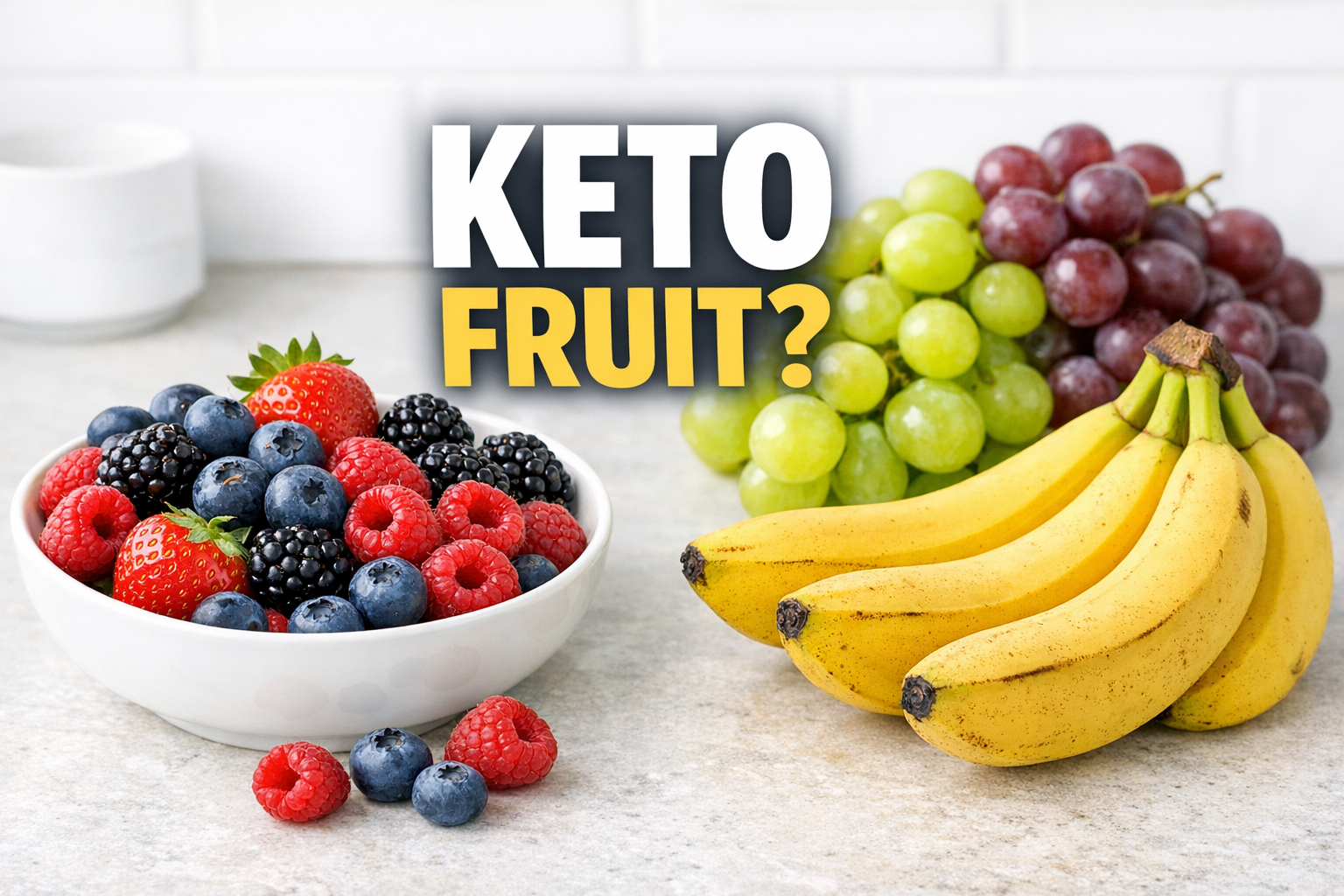
Raspberries, blackberries, strawberries, and smaller portions of blueberries are usually the safest place to start because they give you flavor without eating up your whole carb budget immediately. They still count. They are just easier to manage than bananas, grapes, apples, mango, or pineapple.
Avocados and olives also matter here. People forget they are fruit, but in real keto life they usually fit far better than sweet fruit. They work because they are not pushing the same sugar load that trips people up with bowls, smoothies, and snack habits.
If you are new to this, the better question is not “is fruit keto?” It is “which fruit gives me the least trouble for the portion I actually eat?” That is the same mindset behind Keto Foods List for Beginners.
Why keto fruit goes wrong in real life
Most fruit problems come from five simple issues:
- portions drift way past what people picture
- people pick fruit that adds up fast but still feels “healthy”
- smoothies and fruit bowls hide a lot more than they look like
- packaged fruit products fool people with labels and serving sizes
- fruit gets used as a snack loophole instead of part of a real meal
That is why fruit problems usually connect with bigger keto mistakes like hidden carbs, portion creep, and foods that sound healthier than they actually work. If that pattern keeps showing up, read Keto Foods That Are Secretly High Carb and Net Carb Trap Map next.
Lowest-risk keto fruit: what usually works best
If you want the simple version, start here:
- Raspberries: easy to use in a small portion with yogurt, cottage cheese, or alongside breakfast
- Blackberries: usually easier to control than grapes or cherries because they are less mindless to eat
- Strawberries: sliced strawberries often feel more satisfying than tiny fruit you keep popping without thinking
- Blueberries: can fit, but they get sloppy faster than people expect
- Avocados and olives: technically fruit, but usually much easier keto choices than sweet fruit
The point is not that these are free foods. The point is that they are easier to keep honest.
Fruit that adds up fast: not banned, just easier to misjudge
This is the middle category. These fruits are not automatic disasters, but they demand more honesty than most people give them.
- melon
- oranges and other citrus
- kiwi
- cherries
- larger servings of blueberries
A few pieces of melon next to eggs is one thing. A huge bowl of melon after dinner because it feels lighter than dessert is something else. One kiwi cut into plain yogurt can fit. Three kiwis in a smoothie bowl with nut butter, seeds, and sweetener is a completely different carb load.
This is where the “fruit is healthy so it must be fine” logic starts doing damage.
Fruit that usually trips people up
This is where the math gets ugly fast.
- bananas
- grapes
- apples
- mango
- pineapple
- dried fruit
- juice
- fruit-heavy smoothies and smoothie bowls
These foods are not bad in some moral sense. They are just expensive in carb terms. A banana sounds healthier than a small bowl of strawberries. On keto, it is often the worse trade. A handful of grapes feels innocent because each piece is small. That also makes it easy to keep eating them without a stopping point.
Cause #1: Portion size is the line between fine and not fine
This is the biggest reason keto fruit backfires.
A lot of fruit can technically fit into a keto day. But most people do not eat the tiny portion they imagine when they say that. They picture a few berries. Real life looks more like a full bowl, extra handfuls while making lunch, and fruit showing up again later in yogurt or dessert.
You see the same problem with vegetables, sauces, nuts, and other foods that sound harmless on paper. That is why Keto Vegetables: Which Ones Actually Work, Which Ones Add Up Fast, and Where People Miscount Them matters too. Small choices still count.
The common mistake is asking, “Is fruit allowed on keto?” instead of “How much of this can I actually fit without fooling myself?”
The fix is simple. Put fruit in a bowl. Measure berries for a while. Stop eating from the carton or bag. If your portions keep drifting, a digital food scale makes portion reality a lot harder to ignore.
Cause #2: Smoothies and fruit bowls make fruit look smarter than it is
Whole fruit is one thing. Blended fruit is where people get smoked.
A smoothie can hide banana, frozen fruit, milk, yogurt, juice, sweetener, and maybe some nut butter in one glass that disappears in ten minutes. A fruit bowl can do the same thing with spoonable carbs instead of drinkable carbs. Both feel healthier than dessert. Both can hit your day like dessert anyway.
Here is what it looks like in real life: breakfast is rushed, so you make a smoothie because it feels cleaner than eggs. Or you build a yogurt bowl that starts with berries and ends with blueberries, chia seeds, almond butter, coconut, and more fruit because it still looks like a health food.
The mistake is thinking protein powder or Greek yogurt automatically cancels out the carb load. It does not.
The fix is to make fruit smaller and meals stronger. Use a little fruit on top of a protein-based meal instead of making fruit the center of the meal. If drinks keep turning into a carb trap, read Keto Drink Traps.
Cause #3: Some fruit choices are just bad keto trades
This is where people get stubborn because the food sounds healthy.
Bananas, grapes, apples, pineapple, and mango are not impossible foods in the universe. They are just poor keto trades for how fast they use up carbs compared with how little control they give you. Grapes are especially sneaky because they are easy to keep picking at. Bananas get justified as workout fuel. Apples get treated like the default healthy snack. All three can fit badly into keto even when the person swears they are eating clean.
The real-life pattern is simple: you choose fruit based on health halo, not on keto usefulness.
The fix is to stop grading fruit by reputation. Grade it by portion control and carb cost. Berries, olives, and avocado usually work better. High-sugar fruit usually demands more precision than most people want to deal with.
Cause #4: Packaged fruit products hide the damage
Dried fruit, fruit cups, frozen blends, and smoothie packs compress a lot of carbs into a form that looks small, convenient, and easy to excuse.
You toss dried cranberries on a salad. You buy frozen mixed fruit without noticing it includes mango or banana. You grab a fruit cup because it sounds lighter than something processed. None of it feels huge in the moment. That is exactly why it sneaks through.
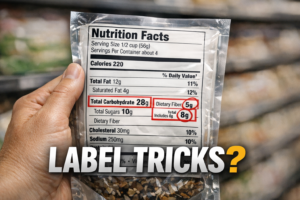
The mistake is trusting the front of the package instead of the serving size, ingredients, and actual carb line.
The fix is blunt. Dried fruit is usually a skip on keto. Fruit cups need label checks. Frozen fruit should usually be plain berries, not random tropical blends. If a packaged food looks friendly but still feels suspicious, check it the same way you would any other convenience food.
Cause #5: Fruit works better as a side than as a snack loophole
Fruit usually works better when it stays small, visible, and attached to a real meal.
A few strawberries next to eggs, or a little raspberry topping on plain yogurt, is easier to control than a bowl of fruit by itself at 3 PM when you are already hungry. A small side portion gives fruit some boundaries. A snack habit turns it into background eating.
This is where people repeat old low-fat, clean-eating habits without noticing it. They replace a real protein meal with fruit because it feels lighter. Then they are hungry again fast and the day starts sliding.
The fix is to use fruit as a side, garnish, or measured dessert replacement, not as the thing carrying the meal. If you keep defaulting to fruit because you are unsure what to eat instead, go back to the beginner food guide and rebuild around protein first.
Common keto fruit mistakes
- treating berries like free food once they get a keto-friendly reputation
- thinking avocado and berries belong in the same portion logic as bananas and grapes
- using fruit as a snack instead of eating a real meal
- turning yogurt bowls into carb stacks with fruit, nut butter, seeds, and sweetener
- assuming natural sugar does not matter because it is not candy
- keeping old healthy-eating fruit habits after switching to keto
- thinking a workout automatically creates room for extra fruit
If this sounds familiar, fruit is not the problem by itself. The problem is using fruit without rules.
How to make keto fruit work without turning it into a trap
Keep it boring enough to stay honest.
- choose berries first
- treat avocado and olives as separate, lower-risk fruit choices
- use fruit with meals, not as all-day extras
- skip juice and be very careful with smoothies and fruit bowls
- avoid dried fruit
- read the label every time fruit comes in a package
If you keep picking fruit because it sounds cleaner than other foods, but keto still feels harder than it should, that usually means the issue is not motivation. It is decision quality.
Fix this first:
- Switch to lower-risk fruit first. Make berries, avocado, and olives your default instead of bananas, grapes, juice, or dried fruit.
- Measure your portion. Stop arguing with the idea and look at how much you actually eat.
- Cut liquid fruit and giant fruit bowls. Those are the fastest ways to turn fruit into a quiet carb pile.
- Use fruit with meals, not as random extras. Fruit works better as a small side or topping than as a snack loophole.
- Read the label any time fruit comes in a package. Frozen blends, dried fruit, cups, and smoothie packs are where people get fooled.
If this helped, here are more no-BS keto guides worth reading next:
- Keto Vegetables: Which Ones Actually Work, Which Ones Add Up Fast, and Where People Miscount Them
- Keto Foods List for Beginners (What You Can Eat on Keto)
- Keto Foods That Are Secretly High Carb (What to Avoid)
- Net Carb Trap Map: The No-BS Hub for Bars, Wraps, Drinks, and Desserts
- Keto Drink Traps: Coffee, Smoothies, Sports Drinks, and Low-Carb Drinks That Quietly Make Keto Harder
Explore more Keto Food & Carbs guides here: