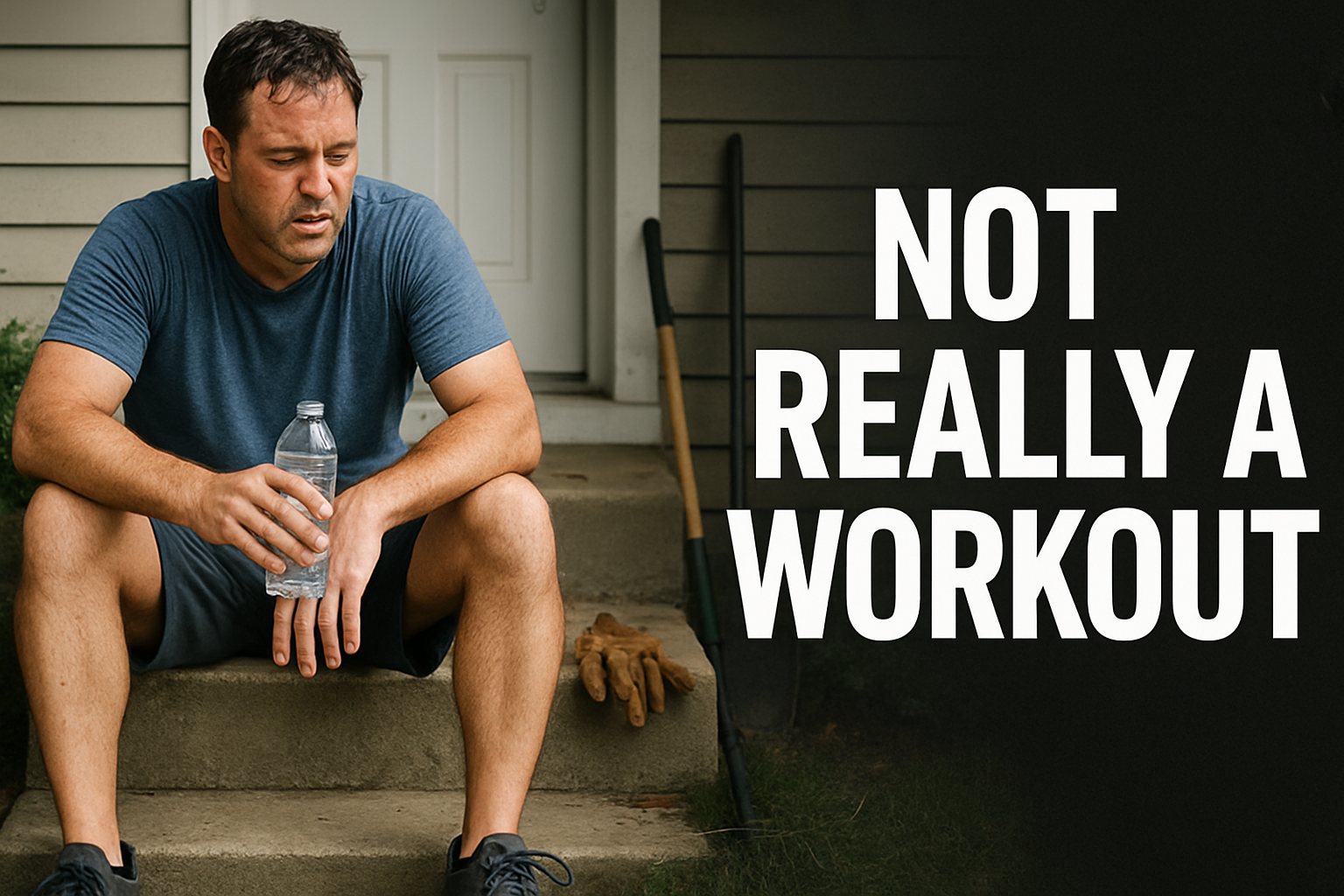
You go for a long walk, mow the yard, pull weeds for an hour, or spend the afternoon outside doing “normal” stuff. Then later you feel wrecked.
Headache. Dizziness. Cranky mood. Dead legs. Weird hunger. Maybe nausea. Maybe you suddenly feel like keto stopped working.
Usually, keto did not stop working. You just burned through more water, sodium, and energy than you realized.
This is one of the most common low-carb mistakes on active days that do not feel like formal workouts. People plan for the gym. They do not plan for a hot walk, a big Costco trip, yard work, a day on their feet, or a Saturday full of errands outside the house.
That is why the crash feels random. It usually is not random.
Why these “easy” active days hit so hard on keto
On keto, small routine problems show up faster when you sweat more, drink less, eat late, or stay out longer than expected.
If your normal day already runs a little light on salt, food, or water, a long walk or yard work session can push that weak setup over the edge. You may not notice it while you are busy. You notice it later when your head hurts, your patience disappears, and dinner suddenly feels impossible.
That is why these days fool people. The activity does not look serious, so the prep stays casual. But your body still pays for heat, sweat, skipped meals, and under-fueling.
Start here:
1. You lost more sodium than your normal routine can handle
This is the big one.
A long walk, yard work, carrying bags, standing in the sun, or running around all afternoon can mean more sweat than you think. On keto, low sodium shows up fast. That is when you start feeling headachy, flat, shaky, weak, or oddly anxious for no clear reason.
In real life, it looks like this: you had coffee in the morning, maybe some eggs, then went outside to “just get a few things done.” Two hours later you are sweaty, annoyed, and suddenly feel awful on the drive home.
The common mistake is assuming electrolytes only matter for hard workouts. They matter any time you sweat more than usual or spend longer on your feet than usual.
The fix is simple: treat active outdoor days like they count. Salt your meals on purpose. Drink water earlier, not only when you already feel bad. If this pattern keeps happening, read Keto Electrolyte Problems and Why You Feel Weak on Keto. That is usually where the real problem starts.
2. You called it light activity, so you never fueled for it
A lot of people under-eat before active days because the day does not feel official. There is no gym bag, no workout app, no plan. So breakfast stays tiny, lunch gets delayed, and the whole day runs on caffeine and good intentions.
That works until it does not.
Picture someone who has coffee, maybe a cheese stick, then spends the afternoon walking a flea market, mowing the lawn, cleaning out the garage, or doing house projects. By late afternoon they are not just hungry. They are foggy, snappy, and ready to inhale whatever food shows up first.
The mistake is thinking keto means you should be able to run on almost nothing all day. Sometimes appetite is lower on keto, yes. That does not mean your body needs nothing.
The fix is to make sure the day starts with a real meal, especially protein. Eggs and sausage. Leftover chicken. Ground beef. Greek yogurt if it fits your carbs. Something real. If you know the day will be active, do not build it on coffee alone and act surprised when you crash later.
3. Heat and sun made a normal day more draining than it looked
The same walk hits differently when it is hot. The same yard work hits differently when you are in direct sun. The same errand day hits differently when you are getting in and out of the car all afternoon.
That extra drain matters on keto because water and electrolytes can slip fast before you even register that you are overheating.
Real-life version: you feel fine while you are doing it. Then an hour later you get a pounding head, feel dry, and wonder why dinner sounds impossible. Or you end up eating anything salty because your body is basically yelling for recovery.
The mistake is only watching carbs while ignoring weather. Hot weather changes the whole day.
The fix is to plan earlier hydration, bring water, and stop pretending heat is a minor detail. If your symptoms get worse in summer, Why Keto Side Effects Hit Harder in Hot Weather connects the dots.
4. You kept pushing, then tried to recover too late
Another common pattern is waiting until you feel terrible before you try to fix it. That usually means water gets chugged late, dinner gets delayed, and the whole evening turns into damage control.
By then you are not making calm decisions. You are making desperate ones.
This is what it looks like in real life: you finish the walk or yard work, tell yourself you are fine, shower, scroll, keep going, and suddenly it is 6 PM and you are shaky, starving, and irritated. Now the recovery feels harder because you let the hole get deeper.
The mistake is thinking recovery starts when symptoms show up. On keto, recovery starts while the day is still manageable.
The fix is to put a recovery checkpoint right after the activity. Water. Salt. A real meal. Sit down before the crash turns into a whole bad evening. If you keep getting hit after outdoor days, Why You Get Headachy, Hungry, and Weirdly Cranky After a Long Outdoor Day on Keto is also worth reading.
5. Your “backup food” for active days is still junky or too small
People know they might need something extra, so they throw random snack food in the bag or car. Then the backup is a handful of nuts, a tiny bar, jerky with no water, or some low-carb packaged thing that does not actually fix the problem.
That is how you end up eating and still feeling off.
Real-life example: you finish a long walk and grab a snack bar because it is easy. An hour later you still have a headache and now you are also hunting for more food. The issue was not just calories. The issue was weak recovery.
The mistake is using convenience food as if it does the same job as water, sodium, and a real meal. Usually it does not.
The fix is to carry support food, not pretend food. A real protein option, water, and something salty do more than a tiny sweet “keto” snack. If you are always out of the house when the crash starts, Keto Side Effects Outside the House gives the bigger picture.
Related:
What people usually get wrong on these days
Most people do not fail because of one giant mistake. They stack four small ones:
- They start the day underfed.
- They sweat more than expected.
- They drink too little until it is late.
- They try to recover with snacks instead of a real reset.
Then they blame keto itself.
Here is the truth: keto side effects after long walks, yard work, and “not really a workout” days are usually a routine problem, not a mystery problem.
If this keeps happening, stop treating those days like they do not count. They count.
Fix this first:
- Eat a real protein-based meal before active outdoor days instead of trying to coast on coffee.
- Bring water and salt the day before and the day of, not only after symptoms hit.
- Assume heat, sun, and sweat matter even when the activity is “just a walk” or yard work.
- Recover right after the activity with water, sodium, and an actual meal.
- Replace weak snack backups with simple support foods that really hold you.
If you do that, these crashes usually stop feeling random fast.
The problem is usually not that keto is too hard. The problem is that your active-day routine is too casual for what your body is actually losing.
If this helped, here are more no-BS keto guides worth reading next:
- Keto Electrolyte Problems: Why You Feel Fine One Day and Awful the Next
- Why You Get Headachy, Hungry, and Weirdly Cranky After a Long Outdoor Day on Keto
- Keto Side Effects Outside the House: The No-BS Hub for Heat, Travel, Active Days, Restaurant Recovery, Alcohol, and Electrolyte Slipups
Explore more Keto Problems & Side Effects stories here: