You started keto because it sounded simple.
Eat fewer carbs. Drop the sugar. Lose weight.
Then real life showed up: hunger, cravings, low energy, sloppy meals, and a plan that somehow fell apart by day three.
That does not mean keto is broken.
It usually means your beginner setup is weak.
This keto for beginners guide is the simple version that actually helps: what to focus on first, what beginners usually get wrong, and where to go next if your real problem is hunger, cravings, side effects, lazy keto drift, social eating, or a weight-loss stall.
Keto for beginners works better when you stop treating it like a carb-cutting challenge
Most beginner keto problems are not random.
They usually come from the same handful of issues: weak meals, too many keto products, low protein, bad electrolyte habits, and a plan that sounds good on paper but does not survive a normal week.
That is actually useful news. It means you do not need a more extreme keto plan. You need a more stable one.
If your meals are simple, filling, and easy to repeat, keto gets much easier. If your day is built on coffee, snacks, and packaged “keto” food, it gets messy fast.
What keto actually is for beginners
Keto is not a game where you see how many carbs you can dodge.
It is a way of eating that works best when you keep carbs low enough to stop the constant blood-sugar roller coaster, build meals around real protein, and use fat to make those meals satisfying instead of turning every bite into a butter project.
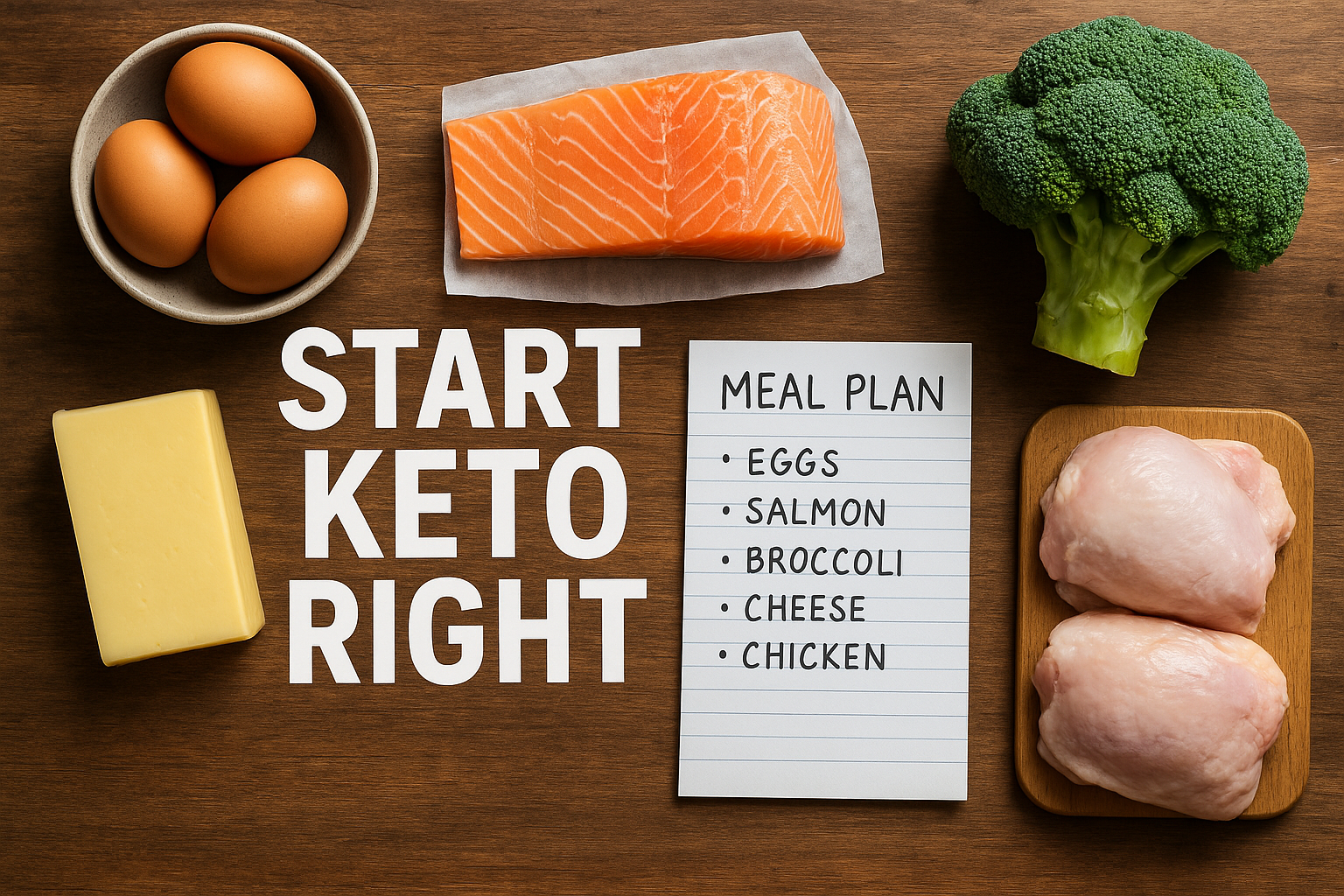
In real life, beginner keto should look boring in a good way: eggs, meat, fish, Greek yogurt, cottage cheese, salad kits, frozen vegetables, burger patties, taco bowls without the rice, and leftovers that keep you from making dumb food decisions when you are tired.
If you need help with the basic food side, start with this keto foods list for beginners. The more your plan depends on specialty products, the easier it is to drift.
Start here if you are new to keto
Do not try to fix everything at once.
Start with the problem that is actually wrecking your week:
- If you are hungry all the time, read Why You’re Hungry on Keto.
- If cravings keep hitting at night, read Keto Cravings Explained.
- If you feel off, flat, dizzy, or headachey, read Keto Electrolyte Problems.
- If you keep getting sloppy and inconsistent, read Keto Routine Breakdowns.
- If restaurants, parties, or family meals keep knocking you off plan, read Keto Social Eating Mistakes.
- If weight loss stalled after the early drop, read Keto Weight Loss Stalls.
- If you want the easiest version to repeat, read Lazy Keto That Actually Works.
That is the real beginner move: stop guessing and go straight to the problem path you actually need.
What beginners usually get wrong about keto
A lot of people think keto is mostly about cutting carbs and adding fat.
That is the beginner trap.
Keto works better when you focus on real meals, enough protein, fewer food decisions, and a setup you can repeat when life gets annoying. The goal is not to buy a cart full of bars, wraps, desserts, and “keto” snacks with better marketing.
If your version of keto still leaves you hungry, snacky, tired, and obsessed with food, something in the setup is off.
Cause #1: You cut carbs, but you never built real meals
This is one of the biggest beginner mistakes.
People remove bread, cereal, pasta, chips, and sugar, but they never replace them with actual structure. So the day turns into random survival eating.
Coffee with cream in the morning. Cheese at noon. Nuts in the car. A “keto” bar at 3 PM. Then dinner becomes a cleanup job because hunger catches up hard.
Those foods may be low carb. That does not make them a real plan.
The mistake is thinking keto is just a list of foods to avoid. It is not. You still need meals that make sense on a workday, a tired night, and a chaotic weekend.
The fix is simple: build every meal around real protein first. Eggs. Chicken. Beef. Tuna. Salmon. Greek yogurt. Cottage cheese. Burger patties. Leftover meat. Then add a low-carb side that makes the meal easier to stick to.
If you need a cleaner food starting point, use this keto foods list for beginners. If your meals are technically keto but you still feel starved, go straight to the hunger page instead of pretending more willpower will fix it.
Cause #2: You filled your diet with keto products instead of useful food
Beginners love the idea that keto means cookies, bars, tortillas, shakes, ice cream, and candy with lower carbs.
That is usually where the plan starts to drift.
A lot of packaged keto foods keep you in snack mode. They are easy to grab, easy to overeat, and often bad at keeping you full. So even if the label looks acceptable, your day still feels unstable.
In real life, this looks like a low-carb wrap for lunch, a handful of nuts later, a keto treat after dinner, and then wondering why cravings never calm down.
The common mistake is assuming low carb automatically means helpful.
It does not.
If a food keeps you grazing, chasing sweetness, or needing more food two hours later, it is probably not helping much. That is why beginners often do better with boring food for a couple of weeks than with fancy keto substitutes.
The fix is to make most of your day simple on purpose: eggs, rotisserie chicken, plain Greek yogurt, salad kits, frozen vegetables, tuna, burger patties, deli meat, leftovers. Save packaged keto food for backup situations, not as the center of the plan.
If sweet or snacky food keeps pulling you off track, the better next step is Keto Sweet Cravings Traps, then Keto Cravings Explained.
Cause #3: You are eating too much fat and not enough protein
This mistake shows up everywhere in beginner keto advice.
People hear “high fat” and turn fat into the whole point. So they add butter to coffee, pour oil on everything, and use fat bombs to patch hunger while protein stays weak.
That is backward.
Protein is what usually makes keto easier. It helps you stay full, keeps meals grounded, and makes it less likely that you end up raiding the kitchen later.
A real-life version of this looks like coffee for breakfast, a tiny salad for lunch, and then a rough evening full of cravings, snacking, and a second dinner.
The mistake is treating protein like a side note and fat like the main event.
The fix is blunt: ask at every meal, where is the real protein? If the answer is thin, fix that before you worry about anything else.
Chicken thighs. Ground beef. Tuna packets. Steak. Greek yogurt. Eggs plus another protein source if needed. Those foods solve more beginner keto problems than another dessert replacement ever will.
If low energy keeps pushing you toward random snacks, a sugar-free electrolyte mix usually helps more than another “keto” treat because sloppy hydration often drives the “I need something” spiral. If your problem is not just hunger but stalled progress too, go to Keto Mistakes That Stop Weight Loss or the main Keto Weight Loss Stalls hub.
Cause #4: Your electrolytes and side-effect setup are sloppy
A lot of beginners think every rough symptom means keto is failing.
Sometimes it is just bad electrolyte habits.
When carbs drop, water shifts. Sodium needs can change. If you are also eating less, drinking a ton of plain water, and relying on coffee, you can feel surprisingly bad fast.
That is why beginner keto often comes with headaches, weakness, dizziness, brain fog, cramps, and that flat drained feeling that makes people want to quit by day three.
In real life, it looks like this: you start strong on Monday, eat very little because you are “being good,” drink more water than usual, skip salting your food, and by Wednesday you are convinced keto ruined your body.
Usually it is not that dramatic. Usually the setup is just sloppy.
The mistake is trying to white-knuckle the transition instead of fixing the obvious basics.
The fix is simple: eat real meals, salt your food, drink to thirst, and stop pretending coffee counts as fuel. If the first week feels rough, use the electrolyte page instead of guessing whether keto itself is the problem.
Read Keto Electrolyte Problems first, then Keto Flu Explained if you want the cleaner breakdown.
Cause #5: You are trying to do keto perfectly instead of repeatably
This is where a lot of beginners quietly sabotage themselves.
They build a plan for their ideal week instead of their real one. Perfect macros. Perfect meal prep. Perfect grocery haul. Perfect motivation.
Then work gets busy, dinner gets late, the house is full of junk food, or someone suggests takeout, and the whole thing collapses.
In real life, this looks like spending Sunday planning a flawless keto week, then ordering whatever is easiest by Tuesday because none of your “healthy” plans fit the day you actually had.
The mistake is making keto too fragile.
The fix is to build a short list of repeatable defaults: two breakfasts, two lunches, three dinners, and one emergency backup. That is enough for most beginners.
Examples: eggs and Greek yogurt, burger patties with salad, rotisserie chicken with frozen vegetables, tuna salad, taco bowls without the rice, deli roll-ups, or leftover meat with a quick side.
If your version of keto gets sloppy every time life gets busy, stop reading generic beginner advice and go to Lazy Keto That Actually Works and Keto Routine Breakdowns. If the bigger problem is restaurants, parties, and other people’s food decisions, add Keto Social Eating Mistakes to your list too.
Simple beginner fixes that make keto easier fast
You do not need a giant overhaul.
You need a few obvious corrections:
- Make protein the center of every meal.
- Stop building your day around bars, desserts, nuts, and random bites.
- Keep 3 to 5 backup foods in the house for nights when dinner falls apart.
- Salt your food and stop ignoring electrolyte problems.
- Use repeatable meals instead of chasing novelty.
- Pick the right troubleshooting page instead of trying to solve every problem with stricter carbs.
A simple week-one keto setup that beginners can actually follow
If you want keto to work, stop trying to build a perfect month.
Build a week that survives Monday through Thursday first.
A simple setup might look like this: eggs or Greek yogurt for breakfast, leftover meat or tuna salad for lunch, and one of three easy dinners on repeat. Think burger patties with frozen vegetables, rotisserie chicken with salad, or taco bowls without rice.
Keep one backup food category in the house at all times. A simple ready-to-drink protein shake can work as an emergency backup instead of a random drive-thru stop, but it should stay a backup, not become lunch every day.
If you do better when tomorrow’s lunch is already handled, basic meal prep containers help because they remove one more excuse to wing it. The point is not to build a perfect prep routine. The point is to make your easiest choice good enough.
If the first week keeps feeling chaotic, that usually means your food is too complicated or your house is missing defaults. A basic backup system beats motivation every time.
The real point of a good keto for beginners guide is not to explain every detail forever. It is to help you find the fix that matches the problem you actually have.
Related:
FAQ: beginner keto questions people ask too late
Do you need to count everything on keto as a beginner?
No. A lot of beginners need better meals more than better math.
Why am I still hungry if I cut carbs?
Usually because meals are too small, protein is too low, or your day is built on snack foods.
Are keto products worth it?
Sometimes as backups. Usually not as the core of your plan.
Do beginners need special equipment?
Not much. Most people do fine with normal groceries, a short meal rotation, and maybe a basic zero-carb protein powder or electrolyte mix if that solves a real problem. Tools should reduce friction, not become the plan.
Fix this first:
- Build every meal around a real protein source before you add anything else.
- Cut back on bars, desserts, nuts, and packaged keto snack foods for one full week.
- Pick one next-step page based on your real problem: hunger, cravings, electrolytes, routine breakdowns, social eating, lazy keto, or stalls.
- Set up 2 to 3 default meals and one emergency backup food before the week gets busy.
- Stop trying to do keto perfectly and make it easier to repeat.
If this helped, read these next:
Explore more Keto That Actually Works stories here: