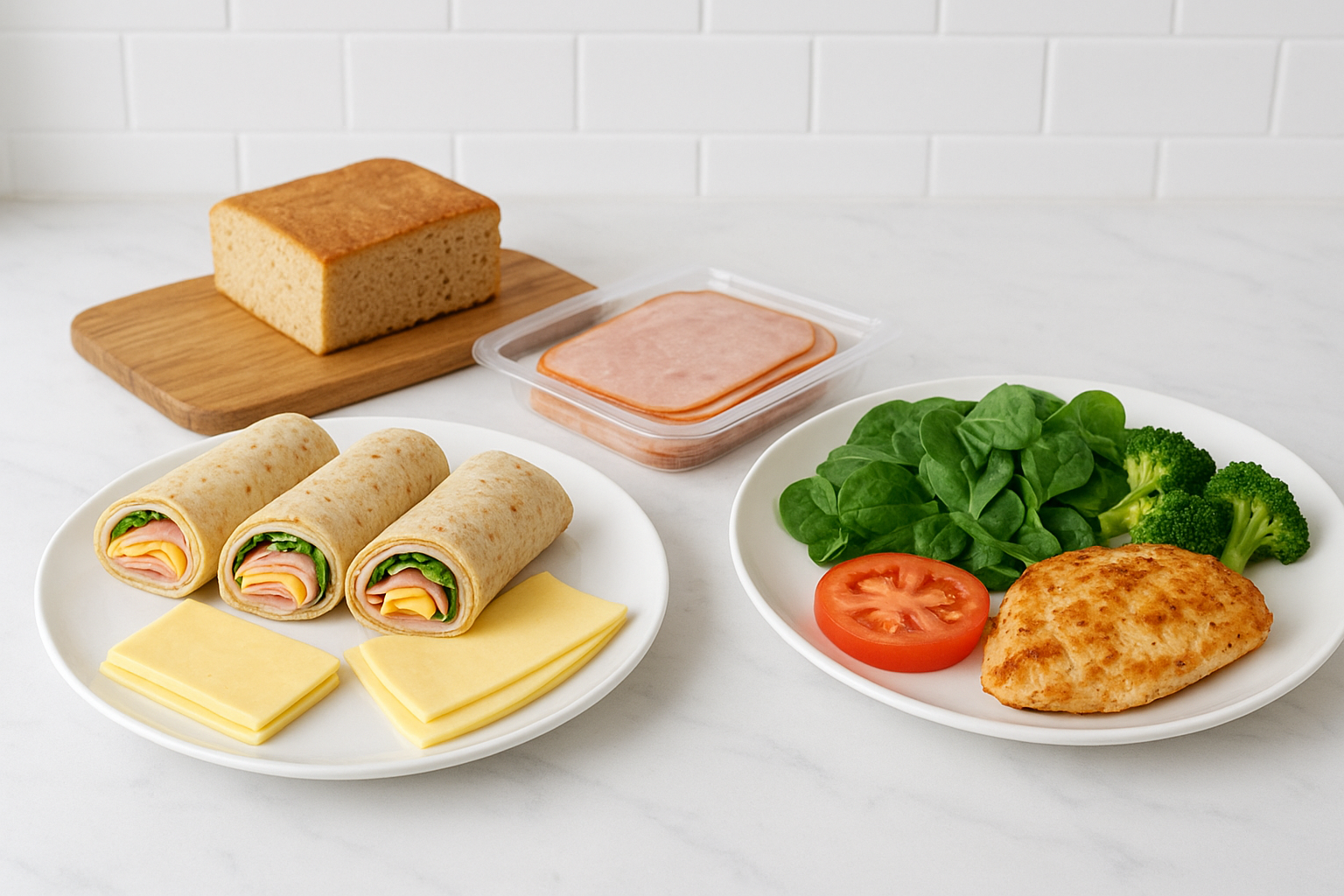
You swap bread for low-carb tortillas, keto wraps, or “keto bread” and tell yourself you found the loophole. On paper, it looks smart. In real life, this is one of the fastest ways to turn keto into a fake version of itself.
If keto bread and low-carb wraps keep showing up in your routine, the problem usually is not one sandwich. It is that these products make it easier to keep eating like your old carb-heavy pattern while pretending the rules still count.
A lot of people have had that week where breakfast was a breakfast sandwich on keto bread, lunch was a turkey wrap, dinner was tacos in low-carb tortillas, and somehow cravings, hunger, and stalled progress still kept showing up.
Why keto bread and low-carb wraps become a trap so fast
These products sell convenience and familiarity.
That is exactly why they are so attractive. You do not have to rethink meals. You just keep building sandwiches, wraps, quesadillas, and quick hand-held meals the way you always did.
The problem is that a lot of “keto” bread-type products are not harmless just because the label says low net carbs. Some are packed with starches, fibers, gums, or ingredients that leave people bloated, snacky, or constantly hungry again an hour later. Others simply make it too easy to keep eating processed, ultra-convenient food all day.
This is not a bread problem first. It is a pattern problem first.
If label tricks keep catching you off guard, read “Net Carb” Foods That Keep You Stuck on Keto. A lot of wrap and bread products live right in that danger zone.
Start here:
1. They let you keep the old eating pattern that was already not working
This is the part most people miss.
Keto often works better when meals get simpler: protein, a real side, fewer random bites, fewer highly processed foods. But keto wraps and bread products make it easy to keep eating grab-and-go meals that are built more around convenience than satiety.
Real-life version: breakfast is a bacon-and-egg sandwich on keto bread, lunch is a deli wrap, dinner is another wrap-based meal because it is quick. None of it looks obviously off-plan. But the whole day still feels weirdly unsatisfying, and you keep looking for “just a little something” between meals.
The common mistake is thinking the only thing that changed was the carb count. Usually the bigger issue is that the structure of the day stayed snacky, processed, and easy to over-repeat.
The fix is to ask a better question: does this meal actually keep you full and under control, or does it just make the old habit look keto enough?
2. “Low-carb” labels make people stop paying attention
Once a product gets the keto halo, people get lazy with it.
They stop looking at serving sizes. They stop caring how many times it shows up in the day. They stop noticing what happens after they eat it. They assume the package solved the problem for them.
This is how one tortilla turns into three. One sandwich turns into two because the bread “only has a few net carbs.” Then a side snack gets added later because the meal did not really land.
In real life, it looks like someone confidently choosing the low-carb wrap at lunch, then grabbing a protein bar in the afternoon and something sweet after dinner because they still do not feel settled. The wrap did not look like a bad choice. But the whole day still drifted.
The mistake is acting like a low-carb label is a permission slip. It is not. It is just packaging until your results prove otherwise.
If you keep getting fooled by foods that sound keto-friendly, “Keto” Foods That Look Healthy but Sabotage Weight Loss hits the same issue from another angle.
3. These products often keep cravings and “bread brain” alive
A lot of people do better on keto once repetitive bread-and-snack urges calm down.
That gets harder when your daily plan still revolves around bread-like foods. Even if the carbs are technically lower, the habit loop can stay very similar: toast, sandwich, wrap, quesadilla, late-night toast again.
That matters because for some people, the problem is not just glucose. It is appetite, repetition, and the constant pull toward easy processed food that never feels fully done.
Real-life version: you tell yourself your wrap was a clean keto lunch, but two hours later you want chips, something crunchy, or another quick hand-held snack. The meal did not shut anything down. It kept the loop open.
The common mistake is judging a food only by whether it is technically lower carb. The better test is whether it makes the rest of the day easier or harder.
If your sweet and snack cravings stay noisy, “Keto Treat” Foods That Quietly Keep Your Cravings Alive is worth reading next because wraps and breads often live in that same fake-solution category.
4. They can make weak meals look stronger than they are
Wraps and keto bread do a great job of making a light meal feel like a “real” one, even when it is still too small.
A turkey wrap with a little cheese can feel more complete than a plate of deli meat. A sandwich feels more meal-like than eggs by themselves. But that appearance can fool people into under-eating protein and overall food volume.
Then the rebound hits later.
This is one reason people swear they are “doing everything right” while afternoons still collapse. The meal looked normal, but it did not do much real work.
Real-life version: you grab a quick wrap because it feels efficient. It keeps you going for a little while, but later you are circling nuts, bars, cheese crisps, and random keto snack food because lunch never really held.
The mistake is confusing meal shape with meal strength.
The fix is simple: build around protein first. If the wrap or bread is doing more work than the actual filling, the meal is backwards.
If your day keeps falling apart after light meals, The Easy Keto Lunch Mistakes That Wreck the Rest of Your Day connects directly with this problem.
5. They make processed keto feel easier than real food keto
This is where people quietly lose the plot.
Instead of making keto simpler, these products can make it more product-heavy. Then the whole plan starts depending on tortillas, breads, bars, buns, fake chips, and convenience foods designed to mimic the old routine.
That usually means more ingredients, more label games, more overeating opportunities, and more mental noise around food.
In real life, it looks like someone saying they do keto, but most of their food comes from wrappers, shelves, and branded low-carb replacements. Then they wonder why weight loss slows down, digestion gets weird, or hunger keeps coming back.
The mistake is believing keto is easiest when it looks most normal. For most people, keto works better when meals are more boring and less engineered.
If digestion has already started getting messy, that is one reason people relate hard to Why You Feel Bloated on Keto Even When You’re Doing It “Right”. Packaged “safe” foods are often part of the setup.
When keto wraps or bread might be fine
This is not a commandment that nobody can ever touch a wrap again.
Some people can use a low-carb tortilla once in a while, keep portions under control, and move on just fine. The issue is not whether a product can fit. The issue is whether it quietly becomes a staple that keeps recreating the same problems.
If a wrap helps once in a while and does not trigger overeating, cravings, bloat, or repetitive convenience eating, fine. But most people asking why keto feels harder than it should are not using these foods occasionally. They are leaning on them daily.
What to use instead when wraps and keto bread keep backfiring
You do not need a perfect replacement every time. You need meals that work better.
- Burger bowls: burger patties or ground beef, pickles, lettuce, mustard, mayo, cheese
- Egg-and-meat breakfasts: eggs, sausage, bacon, cottage cheese, Greek yogurt if it fits you
- Protein plates: chicken, steak, tuna, hard-boiled eggs, avocado, cucumbers, olives
- Taco bowls: taco meat, lettuce, cheese, salsa, sour cream, avocado
- Leftover dinners for lunch: usually better than trying to invent another keto sandwich
These options are less exciting than a convenient wrap, but that is part of why they work better. They reduce the fake-food loophole effect.
Related:
Related:
The biggest lie behind keto bread and wraps
The biggest lie is not that the carb count is always fake.
The biggest lie is that you can keep recreating the exact same processed convenience pattern that got you in trouble before, change the package, and expect the results to feel totally different.
Sometimes the carb numbers are misleading. Sometimes the ingredients are the problem. Sometimes the issue is cravings, portion creep, or the fact that these foods make meals too easy to repeat and too easy to justify.
Whatever the exact reason, the pattern is what matters.
Fix this first:
- Cut keto bread and wrap products for 7 days and see whether hunger, cravings, and bloating calm down.
- Build meals around protein first so the main part of the meal does the real work.
- Stop using low-carb labels as permission slips for repeat servings and processed convenience eating.
- Watch what happens after the meal. If the food makes the day harder, it is not helping enough.
- Use real-food fallback meals more often than branded replacements if you want keto to feel simpler.
🔎 If this helped, here are more no-BS keto guides worth reading next:
- “Net Carb” Foods That Keep You Stuck on Keto
- “Keto” Foods That Look Healthy but Sabotage Weight Loss
- Why You’re Not Losing Weight on Keto (And How to Fix It)
Explore more Keto Lies & Myths stories here: